Showing 4 Result(s)
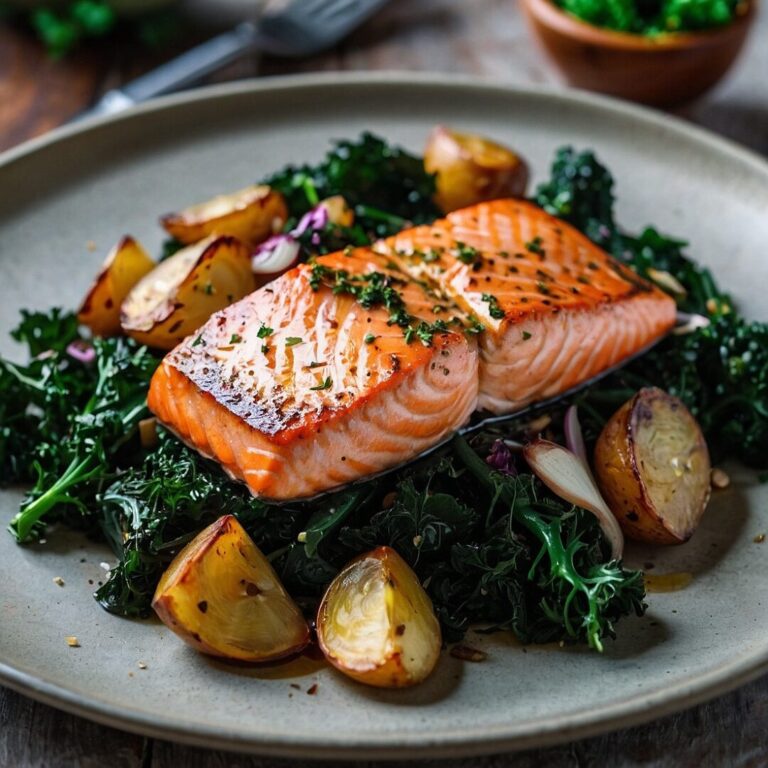
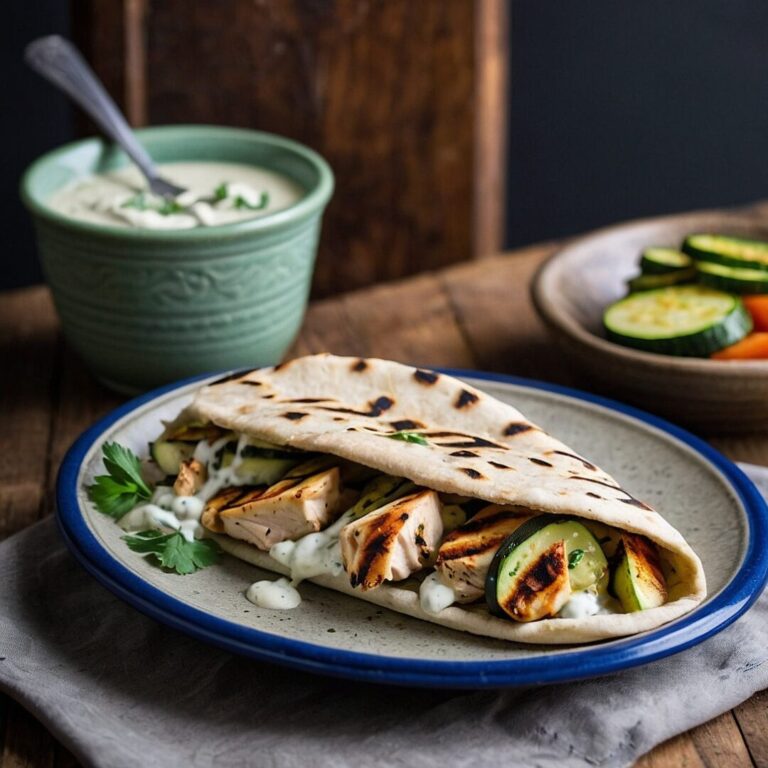
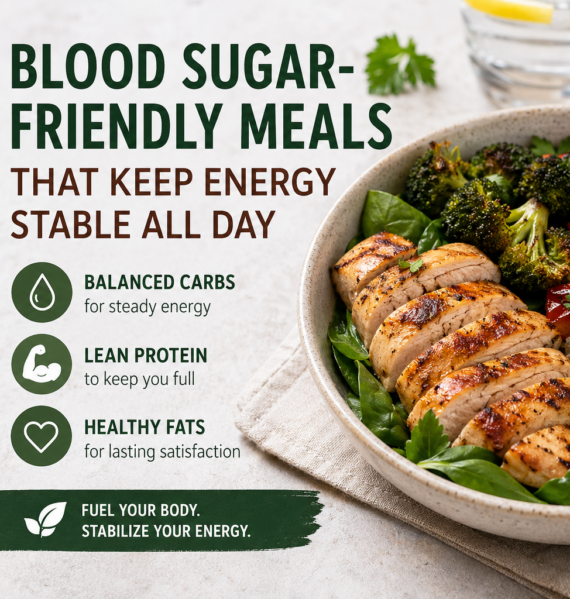
Blood sugar friendly meal with chicken, vegetables, healthy fats, and balanced carbs for stable energy

Blood Sugar Friendly Meals That Keep Energy Stable All Day

Simple, balanced blood sugar friendly meals designed to prevent energy crashes, reduce cravings, and support long-term health.

When your blood sugar spikes and crashes, you feel it: fatigue, cravings, brain fog, and irritability.

The good news? With the right balance of protein, fiber, and healthy fats, you can keep your energy steady and feel in control of your hunger again.


These blood sugar friendly meals are designed to keep energy stable, reduce cravings, and support long-term health.

Quick Blood Sugar Friendly Meal Ideas (Start Here)

If you need simple ideas fast, start with these:

  • Grilled chicken with roasted vegetables and olive oil
  • Salmon with sautéed greens and a small portion of sweet potato
  • Turkey lettuce wraps with avocado and crunchy vegetables
  • Egg and veggie scramble with spinach and mushrooms
  • Protein bowls with lean meat, non-starchy vegetables, and healthy fats

Why Blood Sugar Balance Matters

When you eat meals high in refined carbohydrates or sugar without enough protein or fat, your blood sugar rises quickly—then drops just as fast.

This can lead to:

  • energy crashes
  • intense cravings
  • mood swings
  • difficulty focusing

Balanced meals help slow digestion and keep glucose levels stable, supporting consistent energy throughout the day.


The 45/500 Framework™ for Stable Energy

At Recipe Shop, meals are designed using the 45/500 Framework™:

  • ~45g carbohydrates for steady, controlled energy
  • ~500mg sodium to support heart and metabolic health

This balance helps:

  • reduce spikes and crashes
  • improve satiety
  • support long-term metabolic health

How to Build Blood Sugar Friendly Meals

Protein: Your Anchor

Always start with protein:

  • chicken
  • turkey
  • fish
  • eggs
  • tofu

Protein slows digestion and helps prevent blood sugar spikes.


Fiber-Rich Carbohydrates

Choose carbohydrates that digest slowly:

  • vegetables
  • legumes
  • whole grains (in controlled portions)
  • low-glycemic fruits like berries

Avoid refined carbs like white bread, pastries, and sugary snacks.


Healthy Fats for Stability

Add:

  • avocado
  • olive oil
  • nuts and seeds

Fats help slow glucose absorption and keep you full longer.


Blood Sugar Meals You Can Prep Fast

Balanced Bowls

  • Grilled chicken, roasted vegetables, and tahini drizzle
  • Salmon, greens, and quinoa with lemon dressing

Wraps & Light Meals

  • Turkey lettuce wraps with avocado
  • Chicken and vegetable pita with yogurt sauce

Breakfast-for-Lunch Options

  • Egg scramble with spinach and mushrooms
  • Greek yogurt with berries and nuts

Simple Meal Prep

  • Batch-cooked protein + roasted vegetables
  • Prepped snack boxes with protein, fiber, and fat

These blood sugar friendly meals are simple to prepare and easy to repeat during a busy week.

Try These Balanced Recipes

Start with these meals designed to support stable energy:

These meals combine protein, fiber, and healthy fats to help keep blood sugar levels steady.


Common Blood Sugar Mistakes

Skipping Protein

Meals without protein lead to rapid spikes and crashes.


Overloading on Carbs Alone

Even “healthy” carbs can cause spikes when eaten without balance.


Not Eating Enough

Undereating can trigger blood sugar instability and cravings later.


Blood Sugar FAQ

What foods help keep blood sugar stable?
Meals with protein, fiber, and healthy fats—like chicken, vegetables, and avocado—help slow digestion and prevent spikes.


How often should I eat to maintain stable energy?
Eating balanced meals every 3–4 hours can help maintain steady blood sugar levels.


Can I still eat carbs?
Yes—focus on whole, fiber-rich carbohydrates and pair them with protein and fat.


Final Takeaway

Blood sugar friendly eating isn’t about restriction—it’s about balance.

When you build meals that combine protein, fiber, and healthy fats, you create:

  • steady energy
  • fewer cravings
  • better focus
  • long-term metabolic support

Every meal is an opportunity to stabilize your energy and feel better throughout the day.

Building blood sugar friendly meals consistently can dramatically improve energy, focus, and overall well-being.

Explore more structured meal plans and recipes at RecipeShop.net.

Dark moody image of a sleepless person under eerie blue light with 3:12AM glowing on a digital clock

The 3AM Curse

You jolt awake — again — at 3:12 AM. No sound. No nightmare. Just a wired brain in a restless body. You’re wide awake… but why?

Most people blame stress, hormones, or maybe scrolling too late. But what if the real saboteur is far more silent — and it’s been lurking on your plate?


🧂 The Silent Saboteur: Salt’s Impact on Sleep Hormones

This isn’t another tired warning about salt and blood pressure. This is about how sodium intake directly alters your sleep hormones, disrupts your neurochemical balance, and leads to what many experience as the dreaded 3AM wakeup — a phenomenon far more biological than behavioral.

🧠 Hormonal Hijacking: The Science

Let’s begin with the endocrine system, your body’s hormonal command center. A proper circadian rhythm requires a coordinated dance between melatonin (the sleep hormone) and cortisol (the alertness hormone).

  • In healthy individuals, melatonin levels rise in the evening, signaling your body to wind down.
  • Cortisol levels, ideally, dip to their lowest point during deep sleep, preparing you for overnight repair and memory consolidation.

But when you consume a high-sodium meal at dinner — especially common in processed or restaurant foods — you set off a series of biochemical disruptions:

  1. Transient Hypertension: Sodium pulls water into your bloodstream, elevating blood pressure. This activates your sympathetic nervous system (fight-or-flight), triggering cortisol and adrenaline spikes.
  2. Dehydration & Electrolyte Imbalance: Elevated sodium decreases intracellular hydration and competes with other minerals like magnesium and potassium, which are critical for calming the nervous system and relaxing muscles.
  3. Suppressed Melatonin: According to research published in Chronobiology International, sodium can interfere with pineal gland function, which suppresses melatonin release.
  4. Cortisol Overexpression: A study in The Journal of Clinical Endocrinology & Metabolism found a strong correlation between high sodium intake and nighttime cortisol elevation, a direct saboteur of deep, restorative sleep.

⏰ Why 3AM? A Biological Explanation

Waking up between 2:30–4:00 AM isn’t random. This is the window when your body temperature is lowest, liver detoxification peaks, and REM-to-non-REM cycling transitions are most fragile. It’s also when your body is extremely sensitive to cortisol surges.

Symptoms include:

  • Sudden awakenings with a racing heart
  • Unexplained thirst or dry mouth
  • Restless legs or twitching
  • Feeling “wired but tired”

These symptoms aren’t just insomnia — they’re biochemical alarm bells, warning you that your nervous system is overstimulated due to dietary triggers.


🔁 The Salt-Sleep Disruption Loop

The cycle is self-perpetuating:

  1. Salty dinner (think takeout, frozen meals, canned soup)
  2. Poor mineral absorption (low magnesium/potassium)
  3. Interrupted sleep
  4. Fatigue and sugar cravings the next day
  5. More sodium-heavy meals for quick energy
  6. Repeat

This isn’t a willpower issue — it’s a loop dictated by neuroendocrine responses to diet.


🥗 Break the Cycle: How to Reclaim Restorative Sleep

1. Dinner Sodium Check

  • Keep meals under 500mg sodium per serving.
  • Avoid deli meats, jarred sauces, and frozen entrées unless labeled “low sodium.”

2. Mineral Support

  • Boost potassium: leafy greens, bananas, beans, sweet potatoes
  • Add magnesium: seeds, legumes, dark chocolate, and possibly magnesium glycinate supplements

3. Rewire with Recipes That Heal

  • Use recipes from Recipe Shop’s Brain & Mood Boost Plan or Cravings Reset Plan, all crafted to:
    • Limit sodium
    • Stabilize blood sugar
    • Provide nutrient-dense, mineral-rich ingredients

🔬 What the Experts Say

A 2022 meta-analysis in Sleep Health found that individuals with higher sodium intake were 37% more likely to experience nighttime awakenings, independent of age or BMI.

Another study in Nutrients emphasized that sodium-potassium imbalance was a primary driver in sleep fragmentation and reduced sleep efficiency — two hallmarks of hormonal dysregulation.


🌙 Final Thoughts: Salt, Sleep, and the 3AM Curse

If you’re waking up in the middle of the night, your body is sending a message. And it might not be about stress or screens — it might be the silent influence of sodium.

By rebuilding your plate — with low-sodium, mineral-balanced meals — you can restore your body’s natural rhythms, reclaim deep sleep, and finally break the 3AM curse.

Try the Brain & Mood Boost Plan or Cravings Reset Plan from Recipe Shop — meals designed by a certified nutritionist, optimized for your nervous system, and always capped at ~45g carbs and ~500mg sodium per serving.

You don’t need more willpower — you need the right recipe.

Let food do what sleep aids can’t. Let’s eat our way back to better sleep.

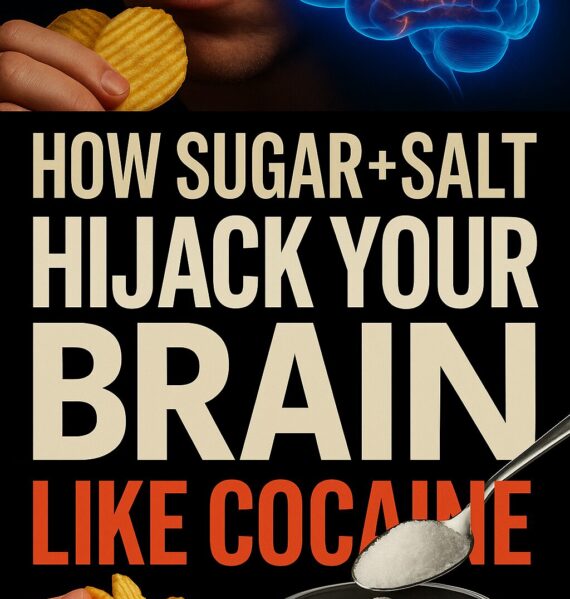
A bold digital graphic illustrating sugar and salt triggering addictive brain activity, highlighting the similarity to cocaine addiction pathways.

How Sugar + Salt Hijack Your Brain Like Cocaine

And Why the Food Industry Doesn’t Want You to Know


Introduction: The Perfect Chemical Storm — In Your Pantry

You’re not weak.
You’re not lazy.
You’re being hijacked — by your own brain.

Every time you reach for that bag of chips or that cookie, there’s a biochemical war happening behind the scenes — and the food industry is winning.

👉 The combination of sugar + salt is one of the most powerful addictive food triggers ever engineered — and it lights up your brain’s reward circuits in the same way as hard drugs like cocaine.

In fact, modern neuroscience now shows that ultra-processed foods create patterns of addiction and compulsion that mirror drug dependence — complete with tolerance, withdrawal, and binging cycles.

Here’s how it happens — and how to break free.


Section 1: The Neuroscience of Craving

Your brain has a reward center — the mesolimbic dopamine system.
Its job? Reinforce behaviors that help you survive:
👉 Eating
👉 Drinking
👉 Sex
👉 Social connection

When you eat something hyper-palatable — meaning a food engineered to taste unnaturally good — this system floods with dopamine, your “feel-good” chemical.

Here’s the catch:

  • Natural whole foods trigger a moderate, balanced dopamine release.
  • Ultra-processed foods — especially the sugar + salt combo — create a superstimulus → unnatural dopamine surges → hijack the system.

The “Bliss Point”: Food Engineering’s Dark Secret

Food scientists literally design processed foods to hit your bliss point — the exact ratio of salt + sugar + fat that triggers maximum pleasure.

  • Salt enhances flavor and masks bitterness.
  • Sugar hits sweet receptors and drives dopamine release.
  • Combined, they create a feedback loop of compulsive eating.

A 2013 study published in The American Journal of Clinical Nutrition found that ultra-processed foods with sugar + salt combinations activated brain areas linked to drug addiction, including:

  • Nucleus accumbens (reward/motivation)
  • Amygdala (emotion)
  • Prefrontal cortex (decision-making)

👉 In other words:
You aren’t choosing the food anymore — the food is choosing you.


Section 2: Why Sugar + Salt Together Are More Addictive Than Either Alone

Salt alone: stimulates thirst, enhances flavor.
Sugar alone: triggers sweet receptors, dopamine surge.

Togethersynergistic addiction loop:

  1. Salt stimulates dopamine release and increases palatability.
  2. Sugar triggers hedonic eating — eating for pleasure, not hunger.
  3. The combined taste keeps you eating past satiety (you stop noticing fullness).
  4. Repeated exposure → dopamine receptor downregulation → you need MORE to get the same pleasure.

A vicious cycle:

  • More cravings.
  • More binging.
  • More tolerance.
  • More damage to your brain’s ability to regulate appetite.

Sound familiar?
This is exactly how cocaine and other addictive drugs work:

  • Trigger dopamine surges.
  • Desensitize dopamine receptors.
  • Drive compulsive seeking of the substance.

Section 3: The Evidence Is Mounting

🔍 Study 1: Neuroscience & Biobehavioral Reviews (2018)
Found that sugar can produce bingeing, craving, withdrawal, and cross-sensitization with drugs of abuse in animal models.

🔍 Study 2: Frontiers in Psychiatry (2019)
Ultra-processed foods high in refined carbs + sodium + fat activate the same neural pathways as substance use disorders — and show addictive behaviors in humans.

🔍 Study 3: Yale University (2021)
Functional MRI studies show that ultra-processed food cues light up brain areas linked to drug craving and compulsive use, especially when salt + sugar are combined.

👉 Summary: Your brain does NOT distinguish between the craving for a bag of chips and the craving for cocaine — on a neural level, it looks frighteningly similar.


Section 4: The Real Cost — How This Affects Your Body and Mind

Brain:

  • Impaired dopamine signaling → less motivation, more fatigue.
  • Increased risk of depression and anxiety.
  • Reduced executive function → harder to control behavior.

Body:

  • Increased insulin resistance.
  • Chronic inflammation → linked to heart disease, cancer, neurodegeneration.
  • Accelerated aging of the brain → reduced neuroplasticity.

Behavior:

  • Compulsive eating even when full.
  • Loss of control over food choices.
  • Tolerance → need higher doses to feel satisfied.

Section 5: The Food Industry’s Playbook

👉 This isn’t an accident.
👉 This is engineered addiction.

  • Cereal companies add salt to “balance” sugar and enhance cravings.
  • Snack foods are optimized for the sugar-salt-fat triad.
  • Fast food chains use sodium-heavy sauces combined with sugar-heavy drinks → maximum dopamine hits.

Bottom line: They know exactly what they are doing — and they’re targeting your biology.


Section 6: How to Break Free — Practical Steps

1️⃣ Awareness

  • Read labels. Anything with more than 200mg sodium + added sugar → potential dopamine bomb.

2️⃣ Reset your palate

  • Cut out ultra-processed foods for 10–14 days → your dopamine system begins to normalize.

3️⃣ Use natural flavor hacks

  • Acid (lemon, vinegar)
  • Herbs (rosemary, basil, mint)
  • Umami (miso, mushrooms, nutritional yeast)
  • Spices (cinnamon, turmeric, ginger)

4️⃣ Support your dopamine naturally

  • Exercise.
  • Sleep.
  • Whole-food nutrition.
  • Social connection.

👉 These behaviors boost dopamine without addiction.


Conclusion: You’re Not Broken — The System Is Rigged

If you’ve struggled with food cravings, binging, or “weak willpower” — stop blaming yourself.

The sugar + salt combo in processed foods is a deliberate hijack of your brain’s reward system — designed to make you eat more, buy more, and crave more.

But you CAN break the cycle — and once you do, the change is profound:

  • More energy.
  • Better mood.
  • Better focus.
  • Healthier body.
  • A brain that works for you, not against you.

CTA:
👉 If you want to make this shift easy — without giving up flavor — that’s what we built Recipe Shop for.
Low-sodium, low-sugar, high-flavor recipes that actually support your brain, your body, and your future.

Start your free trial → [https://www.recipeshop.net]

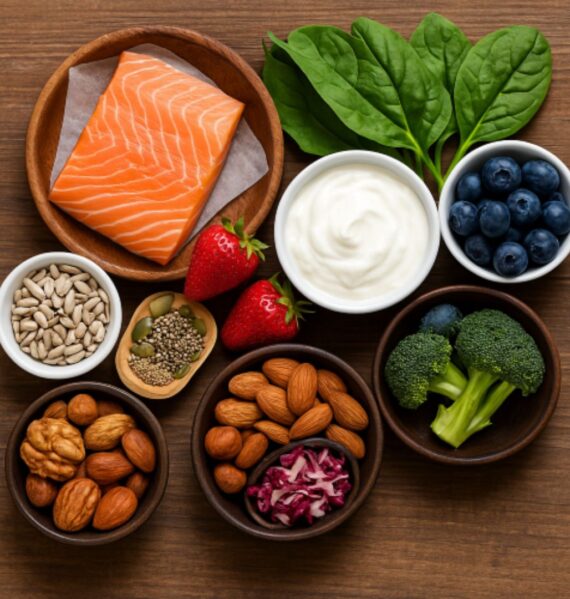
A spread of brain-healthy foods like berries, salmon, nuts, and leafy greens on a kitchen counter

Eat to Elevate: How Everyday Foods Can Boost Your Brain & Mood

Eat to Elevate: Brain-Boosting Foods for Focus, Mood & Mental Clarity

In today’s high-stress, always-on world, staying focused, energized, and emotionally balanced can feel like a constant uphill climb. But one of the most powerful tools for improving your brain and mood isn’t another supplement or productivity hack—it’s your food.

At Recipe Shop, we believe food should do more than just fill you up—it should fuel your brain, stabilize your mood, and support long-term cognitive health. And the best part? You don’t need extreme diets or complicated rules to get there.


Why Food Directly Impacts Your Brain

What you eat doesn’t just affect your body—it shapes your thoughts, memory, focus, and emotional resilience.

Research continues to confirm that diet plays a direct role in:

  • Brain fog and mental clarity
  • Mood stability and anxiety
  • Memory and long-term cognitive health

The Gut-Brain Connection

One of the most powerful systems behind this is the gut-brain axis—a communication network between your digestive system and your brain.

As highlighted in research published in Nature Reviews Gastroenterology & Hepatology, your gut bacteria actually produce neurotransmitters like serotonin.

👉 In fact, over 90% of serotonin is produced in the gut—not the brain

That means:

  • your digestion affects your mood
  • your microbiome affects your thinking

The Best Brain-Boosting Foods (Backed by Science)

Leafy Greens (Spinach, Kale, Swiss Chard)

  • Support memory and cognitive longevity
  • Associated with brains aging up to 11 years slower

Berries (Blueberries, Strawberries)

  • Improve memory and reduce oxidative stress
  • Linked to delayed cognitive decline

Fatty Fish (Salmon, Sardines)

  • Rich in omega-3s for mood and focus
  • Reduce inflammation and support brain function

Nuts & Seeds (Walnuts, Flax, Almonds)

  • Improve processing speed and brain resilience
  • Deliver vitamin E and healthy fats

Fermented Foods (Yogurt, Kimchi, Sauerkraut)

  • Strengthen gut health
  • Improve mood regulation and stress response

⚠️ Foods That Sabotage Brain Health

❌ Ultra-Processed Foods

  • Linked to a 25% higher risk of depression
  • Disrupt gut bacteria and increase inflammation

❌ Refined Sugar

  • Causes energy crashes and brain fog
  • Linked to cognitive decline over time

❌ High-Sodium, Highly Processed Meals

  • Can impact blood flow to the brain
  • Contribute to inflammation and fatigue

What Brain-Friendly Eating Looks Like (Real Life)

This is where most people get stuck.

Knowing what’s healthy is one thing—actually eating that way consistently is another.

At Recipe Shop, every meal is built using the 45/500 Framework™:

  • ~45g carbohydrates for steady energy
  • ~500mg sodium to support heart and brain health

👉 This balance helps:

  • prevent energy crashes
  • support focus
  • stabilize mood

👉 Brain-Boosting Meals You Can Make Today

Start with these:

👉 These meals combine:

  • healthy fats
  • fiber
  • protein
  • low sodium balance

❓ FAQ: Brain Food & Mood

What is the best food for brain health?
Foods rich in omega-3s, antioxidants, and fiber—like salmon, berries, and leafy greens—support cognitive function and mood.


Can food really improve mood?
Yes. Diet directly impacts neurotransmitters like serotonin and dopamine, which regulate mood and emotional stability.


What should I avoid for brain health?
Highly processed foods, excess sugar, and high-sodium packaged meals can negatively affect cognition and energy.


🧠 Final Takeaway

Improving your brain health doesn’t require perfection—it requires consistency.

Every meal is an opportunity to:

  • sharpen focus
  • stabilize mood
  • support long-term brain health

👉 And the best part? You don’t have to sacrifice flavor to do it.