Showing 14 Result(s)

The Benefits of Cutting Sodium: Why Reducing Your Intake is Good for Your Body

Sodium is an essential mineral that plays a crucial role in maintaining fluid balance, transmitting nerve impulses, and supporting muscle function. While the body needs sodium to help transport water into cells, most people consume far more than the necessary amount, leading to serious health risks. The average American’s daily sodium intake is over 3,400 milligrams, more than double the recommended limit of 2,300 milligrams set by health authorities like the American Heart Association (AHA) and the Centers for Disease Control and Prevention (CDC). For those with high blood pressure, heart disease, or diabetes, the suggested limit is even lower, at 1,500 milligrams per day.

This article explores why cutting sodium intake is beneficial for the body, even though sodium is necessary for cellular functions. We’ll also look at the dangers of excess sodium, how reducing sodium can improve health outcomes, and practical ways to reduce sodium in your diet without compromising flavor.


Why the Body Needs Sodium

Sodium is a vital electrolyte that helps regulate various bodily functions. Here’s a look at why it is important:

  1. Fluid Balance: Sodium helps maintain the right balance of fluids inside and outside of cells. It works with other electrolytes like potassium to regulate the movement of water and other nutrients across cell membranes.
  2. Nerve Function: Sodium is essential for transmitting nerve impulses. It creates electrical gradients that allow signals to be sent throughout the nervous system.
  3. Muscle Contraction: Sodium plays a role in muscle contraction, including the contraction of the heart muscle. It works alongside calcium and potassium to ensure muscles respond correctly to nerve signals.

While these functions highlight the importance of sodium, it’s worth noting that very little sodium is needed to carry them out—about 500 milligrams per day is sufficient for most people. In modern diets, sodium levels far exceed what the body actually requires.


The Dangers of Excess Sodium Consumption

Excessive sodium intake can disrupt the body’s balance and lead to several health problems. Here’s how too much sodium can negatively impact your health:

1. High Blood Pressure (Hypertension)

Sodium attracts water, so consuming too much of it can increase the volume of blood in the bloodstream, leading to higher blood pressure. High blood pressure is a significant risk factor for cardiovascular diseases, including heart attacks and strokes. According to the World Health Organization (WHO), reducing sodium intake is one of the most effective ways to prevent hypertension and its associated health risks.

2. Heart Disease and Stroke

High sodium levels contribute to the hardening and narrowing of arteries, a condition known as atherosclerosis. This increases the risk of heart disease and stroke. Research published in the journal Circulation found that cutting sodium intake by just 1,000 milligrams a day can reduce blood pressure and lower the risk of heart-related events by up to 30%.

3. Kidney Damage

The kidneys play a key role in regulating sodium levels in the body. When sodium intake is excessive, the kidneys must work harder to excrete the excess, which can strain the organs over time. High sodium levels can also lead to the formation of kidney stones and worsen existing kidney conditions.

4. Bone Health

Excess sodium can cause the body to lose calcium, which is excreted through urine. This can weaken bones over time and increase the risk of osteoporosis, particularly in individuals who already have low calcium intake.

5. Water Retention and Bloating

High sodium levels can cause the body to retain water, leading to bloating and puffiness, particularly in the face, hands, and feet. Reducing sodium intake can help alleviate these symptoms and promote a feeling of lightness.


How Reducing Sodium Intake Benefits the Body

Cutting down on sodium can have immediate and long-term health benefits. Here’s a look at how reducing sodium intake improves bodily functions:

1. Improved Blood Pressure Regulation

Studies have consistently shown that reducing sodium intake helps lower blood pressure. For people with hypertension, even modest reductions in sodium can have significant effects. Lower blood pressure reduces the strain on the heart and arteries, helping to prevent cardiovascular complications.

2. Decreased Risk of Heart Disease and Stroke

As sodium intake decreases, so does the risk of heart disease and stroke. By consuming less sodium, the likelihood of developing conditions such as atherosclerosis diminishes. This is particularly important for individuals with a family history of heart disease.

3. Enhanced Kidney Function

Reducing sodium intake eases the burden on the kidneys, allowing them to function more effectively. This is especially beneficial for people with chronic kidney disease or those at risk of kidney stones.

4. Better Bone Health

Lower sodium consumption can help preserve calcium levels in the body, supporting stronger bones. It’s a particularly important dietary change for individuals at risk for osteoporosis, including postmenopausal women.

5. Less Bloating and Fluid Retention

A reduction in sodium can also help reduce bloating and fluid retention, making you feel lighter and more comfortable. This can be particularly helpful for athletes or people who experience swelling due to conditions like lymphedema.


Balancing Sodium Intake: The Role of Potassium

While reducing sodium is important, it’s also crucial to maintain a healthy balance of potassium. Potassium helps counteract the effects of sodium by relaxing blood vessels, aiding in the excretion of sodium, and lowering blood pressure. Foods high in potassium include:

  • Bananas
  • Sweet potatoes
  • Spinach
  • Avocados
  • Oranges

Incorporating these potassium-rich foods into your diet can further enhance the benefits of reducing sodium, creating a balanced approach to electrolyte management.


Practical Tips for Cutting Sodium Without Losing Flavor

Reducing sodium in your diet doesn’t mean sacrificing taste. Here are some practical ways to lower your sodium intake while still enjoying delicious meals:

1. Cook at Home

Preparing meals at home allows you to control the amount of salt you use. Using fresh ingredients instead of processed foods significantly reduces sodium levels in your diet.

2. Use Herbs and Spices

Instead of reaching for the salt shaker, flavor your meals with herbs and spices like basil, oregano, thyme, garlic, and black pepper. These add depth to your dishes without increasing sodium content.

3. Choose Low-Sodium Products

When shopping, look for low-sodium or sodium-free versions of common items like broth, canned vegetables, and sauces. Be mindful of labels that state “reduced sodium,” as these products can still contain significant amounts of salt.

4. Rinse Canned Foods

If you use canned beans or vegetables, rinse them thoroughly under cold water to wash away excess sodium.

5. Limit High-Sodium Condiments

Condiments such as soy sauce, ketchup, and salad dressings are often loaded with sodium. Opt for low-sodium alternatives or make your own versions at home.

6. Gradually Reduce Salt

If you’re accustomed to a high-sodium diet, gradually reduce your salt intake to allow your taste buds to adjust. Over time, your preference for salty foods will diminish.


Conclusion: Small Changes, Big Impact

While sodium is necessary for essential bodily functions like fluid balance and nerve transmission, most people consume far more than they need. The consequences of excessive sodium intake, such as hypertension, heart disease, and kidney damage, underscore the importance of moderating sodium consumption.

By cutting sodium intake, you can significantly improve your health outcomes, reduce the risk of chronic diseases, and feel better overall. It’s not just about avoiding health problems—it’s about taking proactive steps to enhance your quality of life. By cooking at home with low-sodium recipes, such as those offered by platforms like RecipeShop.net, you can make healthy, flavorful eating a daily habit.

Small changes in your diet can indeed make a big impact. Start today, and take control of your health, one meal at a time.


Sources:

  1. Centers for Disease Control and Prevention (CDC). “Sodium and Your Health.” CDC.gov
  2. American Heart Association (AHA). “How Salt Affects Heart Health.” Heart.org
  3. World Health Organization (WHO). “Salt Reduction.” WHO.int

Few Heart Attack Survivors Get Expert Advice on Diet—And It’s Putting Their Recovery at Risk ??

Few Heart Attack Survivors Get Expert Advice on Diet—And It’s Putting Their Recovery at Risk

A recent article from HealthDay published on June 5th in U.S. News revealed a startling fact: many heart attack survivors aren’t getting the dietary guidance they desperately need for recovery and long-term heart health. This is concerning because the right diet plays a pivotal role in preventing future complications and promoting overall cardiovascular health.

Without proper advice, survivors are left guessing about what to eat and how to adjust their sodium, fat, and carb intake—critical elements for a heart-healthy lifestyle.

At Recipe Shop, we’ve made it our mission to simplify this process. With our collection of low-carb, low-sodium recipes, survivors and those managing heart conditions can easily access heart-healthy meal options. Even better, our shoppable recipes allow users to send ingredients directly to their grocery cart for convenient pickup or delivery.

Let’s work together to bridge this gap in post-heart attack care by ensuring that patients have the tools they need to take control of their recovery.

Read the full article from HealthDay here: https://www.usnews.com/news/health-news/articles/2024-06-05/few-heart-attack-survivors-get-expert-advice-on-diet


? Learn how Recipe Shop can support a heart-healthy diet: RecipeShop.net

#HeartHealth #DietAndNutrition #HealthyLiving #RecipeShop #USNews

Part of the Heart Healthy Meal Plan →

low-sodium lunch

Low-Sodium Lunch Ideas That Are Perfect for Busy Days!

Simple, balanced meals designed for energy, heart health, and steady blood sugar

Low sodium lunch ideas that are quick, filling, and actually taste good can be hard to find.  Most “healthy” lunch ideas are either overloaded with hidden sodium or leave you hungry an hour later.

This guide gives you practical, real-life low sodium lunch ideas designed to support energy, heart health, and blood sugar balance—without sacrificing flavor.


Quick Low Sodium Lunch Ideas (Start Here)

If you just need ideas fast, start with these:


Why Low Sodium + Balanced Carbs Works

At Recipe Shop, meals are built using the 45/500 Framework™:

  • ~45g carbohydrates for steady energy
  • ~500mg sodium to support heart and brain health

This balance helps:

  • prevent energy crashes
  • stabilize mood and focus
  • support long-term heart health

According to the American Heart Association, most adults should aim to limit sodium intake to 1,500–2,300 mg per day.


How to Build Low Sodium Lunch Ideas That Keep You Full

Protein: The Foundation

Choose lean, unprocessed proteins:

  • grilled chicken
  • turkey
  • eggs
  • fish
  • tofu

Avoid processed deli meats, which are often high in sodium.


Vegetables: Fiber + Volume

Focus on non-starchy vegetables:

  • leafy greens
  • cucumbers
  • zucchini
  • bell peppers
  • cauliflower

These add fiber, nutrients, and help keep you full.


Healthy Fats: Stay Satisfied

Add:

  • avocado
  • olive oil
  • nuts and seeds

These support brain health and prevent hunger between meals.


Easy Low Sodium Lunch Ideas You Can Prep Fast

Salad-Based Meals

  • Grilled chicken salad with cucumbers, tomatoes, and lemon dressing
  • Spinach and avocado salad with grilled shrimp

Wraps & Roll-Ups

  • Turkey and avocado lettuce wraps
  • Grilled chicken and veggie wraps with low-sodium hummus

Protein Bowls

  • Cauliflower rice + grilled chicken + roasted vegetables
  • Quinoa bowl with vegetables and lemon-tahini dressing

Soups & Prep Meals

  • Homemade chicken and vegetable soup (low sodium)
  • Batch-prepped protein + veggie containers

Snack-Style Lunches

  • Hard-boiled eggs, raw vegetables, almonds
  • Cheese, cucumber slices, and hummus

Try These Low-Sodium Recipes

Start with these balanced meals:

These low sodium lunch ideas are designed to be simple, practical, and easy to repeat during a busy week.

According to the American Heart Association, most adults should aim to limit sodium intake to 1,500–2,300 mg per day


How to Add Flavor Without Salt

Low sodium doesn’t mean low flavor. Use:

  • garlic and onion powder
  • smoked paprika
  • fresh herbs
  • lemon juice and vinegar
  • spices and seasoning blends

Common Low-Sodium Pitfalls

Hidden Sodium

Watch for:

  • sauces and dressings
  • canned foods
  • processed meats

Lack of Variety

Rotate ingredients weekly to avoid burnout and keep meals interesting.


Not Enough Protein or Fat

This leads to cravings and energy crashes. Balance your meals.


Low-Sodium Lunch FAQ

What is considered low sodium for lunch?
Aim for about 400–600mg per meal for a balanced approach.

Can low sodium meals still taste good?
Yes—flavor comes from herbs, acid, and cooking techniques, not just salt.

What’s the easiest low sodium lunch?
A protein + veggie bowl with olive oil and seasoning is simple and effective.


Final Takeaway

Low sodium eating doesn’t have to be complicated or bland. With the right structure, you can build meals that are:

  • satisfying
  • energizing
  • supportive of long-term health

Every lunch is a chance to fuel your body—and your future.

Explore more recipes and structured meal plans at RecipeShop.net.

The Hidden Connection: Diabetes and Heart Disease

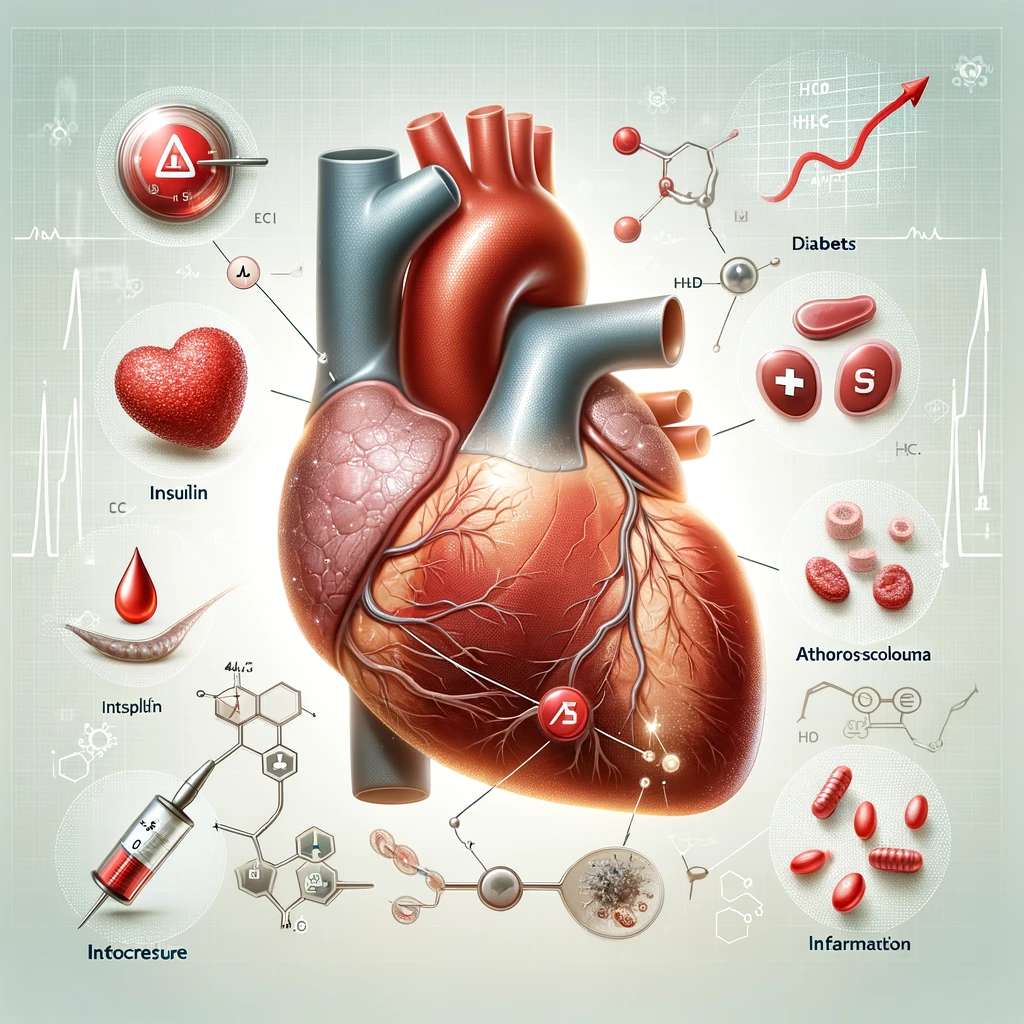
Beyond the well-known risks and symptoms, several lesser-known facts illuminate the profound connection between diabetes and heart disease.

When discussing chronic health conditions, diabetes and heart disease often surface as significant concerns. However, the intricate relationship between these two ailments is not as widely understood as it should be. Beyond the well-known risks and symptoms, several lesser-known facts illuminate the profound connection between diabetes and heart disease. Understanding these nuances is crucial for effective prevention and management.

1. The Silent Progression of Cardiovascular Risk

One of the most alarming aspects of diabetes is its ability to silently increase cardiovascular risk. People with diabetes are more likely to develop atherosclerosis, a condition where arteries harden and narrow due to the buildup of plaque. This process often begins long before diabetes is diagnosed. Research has shown that even pre-diabetes, where blood sugar levels are higher than normal but not yet high enough to be classified as diabetes, can accelerate the onset of cardiovascular issues.

2. The Role of Advanced Glycation End Products (AGEs)

Advanced Glycation End Products (AGEs) are harmful compounds formed when protein or fat combines with sugar in the bloodstream. High levels of AGEs are found in individuals with diabetes and are known to contribute to the development of heart disease. AGEs promote inflammation and oxidative stress, which damage blood vessels and increase the risk of heart attacks and strokes. Reducing the intake of AGE-rich foods, such as processed and grilled meats, can help mitigate this risk.

3. The Impact of Diabetic Cardiomyopathy

Diabetic cardiomyopathy is a little-known condition directly linked to diabetes, independent of other cardiovascular risk factors like hypertension or coronary artery disease. This disorder affects the heart muscle’s structure and function, leading to heart failure. The exact mechanisms are still under study, but it is believed that chronic high blood sugar levels cause direct damage to the heart’s cells, leading to fibrosis (thickening and stiffening of the heart tissue).

4. Gender Differences in Heart Disease Risk

Gender plays a significant role in the diabetes-heart disease link, with women facing unique challenges. Women with diabetes are more likely to develop heart disease at a younger age compared to men. Additionally, diabetic women have a higher mortality rate from heart disease than their male counterparts. Hormonal differences and a higher prevalence of risk factors like obesity and high blood pressure in diabetic women may contribute to this disparity.

5. The Influence of Insulin Resistance

Insulin resistance, a hallmark of type 2 diabetes, also significantly impacts heart health. It not only impairs the body’s ability to regulate blood sugar but also affects lipid metabolism, leading to dyslipidemia—a condition characterized by abnormal levels of cholesterol and triglycerides in the blood. This combination accelerates the development of atherosclerosis and increases the likelihood of heart disease.

6. Microvascular Complications and Heart Health

While much attention is given to macrovascular complications (large blood vessel issues) in diabetes, microvascular complications (small blood vessel issues) are equally important. Diabetic microvascular disease affects the tiny blood vessels in the heart, impairing its function and leading to conditions such as microvascular angina. This type of chest pain occurs without the typical blockages seen in larger arteries, making it harder to diagnose and treat.

7. The Protective Role of Lifestyle Interventions

Though the link between diabetes and heart disease is formidable, lifestyle interventions can provide significant protection. Studies have shown that a combination of a healthy diet, regular physical activity, and weight management can reduce the risk of cardiovascular complications by improving blood sugar control and reducing inflammation. Surprisingly, even modest lifestyle changes can have profound impacts on heart health, underscoring the importance of comprehensive diabetes management.

Conclusion

The connection between diabetes and heart disease is complex and multifaceted, involving various physiological processes and risk factors. By understanding these lesser-known facts, individuals with diabetes and healthcare providers can better anticipate and mitigate the risks of heart disease. Emphasizing early detection, personalized treatment plans, and proactive lifestyle changes are essential steps toward breaking the link between these two chronic conditions. As research continues to unravel the intricate web connecting diabetes and heart disease, one thing remains clear: comprehensive care and informed awareness are key to improving outcomes for those affected.

Part of the Heart Healthy Meal Plan →