Showing 17 Result(s)

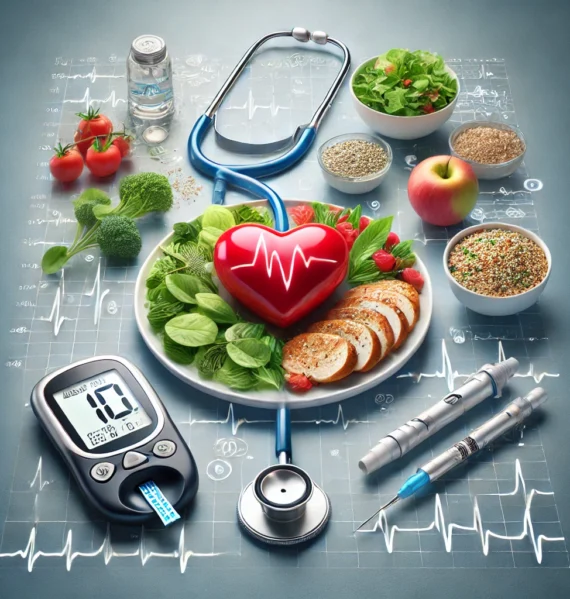
The Shocking Connection Between Diabetes and Heart Disease

When people think of diabetes, they often focus on blood sugar management as the primary health concern. However, there’s a much larger and more alarming issue at play: the strong connection between diabetes and heart disease. For individuals managing diabetes, the risk of developing cardiovascular complications is not just a possibility—it’s a statistical reality.

The Alarming Diabetes-Heart Disease Link

According to the American Heart Association, adults with diabetes are twice as likely to die from heart disease or stroke compared to those without diabetes. In fact, heart disease is the leading cause of death for people with type 2 diabetes. The high blood sugar levels associated with diabetes can damage blood vessels and nerves over time, which contributes to cardiovascular complications. Additionally, many people with diabetes also experience conditions like high blood pressure and high cholesterol, compounding the risk.

But the most preventable—and often overlooked—factor? Sodium intake.

Excess sodium consumption increases blood pressure, which is a primary risk factor for both heart disease and stroke. Alarmingly, the average American consumes over 3,400 milligrams of sodium per day, far exceeding the recommended daily limit of 2,300 milligrams—and for those with heart or kidney concerns, the ideal limit is 1,500 milligrams. For individuals with diabetes, who are already at a heightened risk for heart disease, sodium reduction isn’t optional—it’s essential.


Why the Traditional Meal Planning System Fails

Managing diabetes and heart health often feels like a full-time job. Patients are told to monitor carbs, sodium, and fat while increasing fiber and staying hydrated. Unfortunately, the resources many people rely on—generic meal plans, overly complex diet advice, or pre-packaged meals—can fall short of addressing their specific needs. Processed foods labeled as “healthy” are often hidden sources of excess sodium, and navigating food labels at the grocery store can be overwhelming.

This is where RecipeShop.net steps in to simplify the process, bridging the gap between complex dietary advice and real-world, actionable solutions.


How RecipeShop.net Makes Healthy Eating Simple

RecipeShop.net was born from a family’s personal journey to manage diabetes and heart health. Its mission is simple: to provide delicious, shoppable recipes that meet the specific needs of those managing diabetes and heart health. Here’s how Recipe Shop transforms the way people eat:

1. Low-Sodium, Low-Carb Recipes

RecipeShop.net’s recipes are tailored to help users stay within the daily sodium and carbohydrate limits recommended for diabetes and heart health. By focusing on fresh, whole ingredients and reducing reliance on processed foods, the recipes are designed to provide maximum flavor without compromising on health.

2. Shoppable Convenience

One of the most unique features of Recipe Shop is its shoppable recipes. Users can browse recipes, select meals that fit their needs, and instantly add all the required ingredients to their grocery cart for delivery or pickup. This removes the guesswork from grocery shopping and helps users avoid impulse purchases of high-sodium processed foods.

3. Practical Nutritional Support

Each recipe on RecipeShop.net includes detailed nutritional information, so users can confidently track their sodium, carb, and calorie intake. This transparency empowers individuals to make informed decisions about what they eat.

4. Time-Saving Meal Planning

With shoppable recipes, meal planning becomes quick and stress-free. Users no longer need to spend hours researching recipes, checking labels, and creating grocery lists. Recipe Shop does the heavy lifting, leaving more time for what matters most.


The Impact of Dietary Changes

Studies show that reducing daily sodium intake by just 1,000 milligrams can significantly lower blood pressure, reducing the risk of heart disease and stroke. Combined with a diet that controls carbohydrates and prioritizes nutrient-rich ingredients, these changes can greatly improve the quality of life for individuals managing diabetes.

By making it easy to incorporate these changes into daily life, RecipeShop.net empowers users to take control of their health. It’s not just about providing recipes—it’s about providing a path forward for long-term wellness.


Real-Life Example: How Recipe Shop Changes Lives

Take Mary, for example. Diagnosed with type 2 diabetes and struggling to control her blood sugar levels, she also received a concerning diagnosis of early-stage heart disease. Meal planning felt overwhelming—until she discovered RecipeShop.net. By following the platform’s low-sodium, low-carb recipes, Mary not only managed to stabilize her blood sugar but also saw improvements in her blood pressure. The shoppable recipes saved her time and helped her stick to a healthier diet, giving her more energy to enjoy life.


A Call to Action

The connection between diabetes and heart disease is clear, but the solution doesn’t have to be complicated. RecipeShop.net is here to make healthy eating simple, accessible, and delicious. Whether you’re managing diabetes, preventing heart disease, or simply striving for a healthier lifestyle, Recipe Shop offers tools and resources to transform your diet and your health.

Visit www.RecipeShop.net today to explore how easy meal planning can be. It’s time to take control of your health—one meal at a time.

Part of the Heart Healthy Meal Plan →

Low-Sodium Swaps for Popular Meals

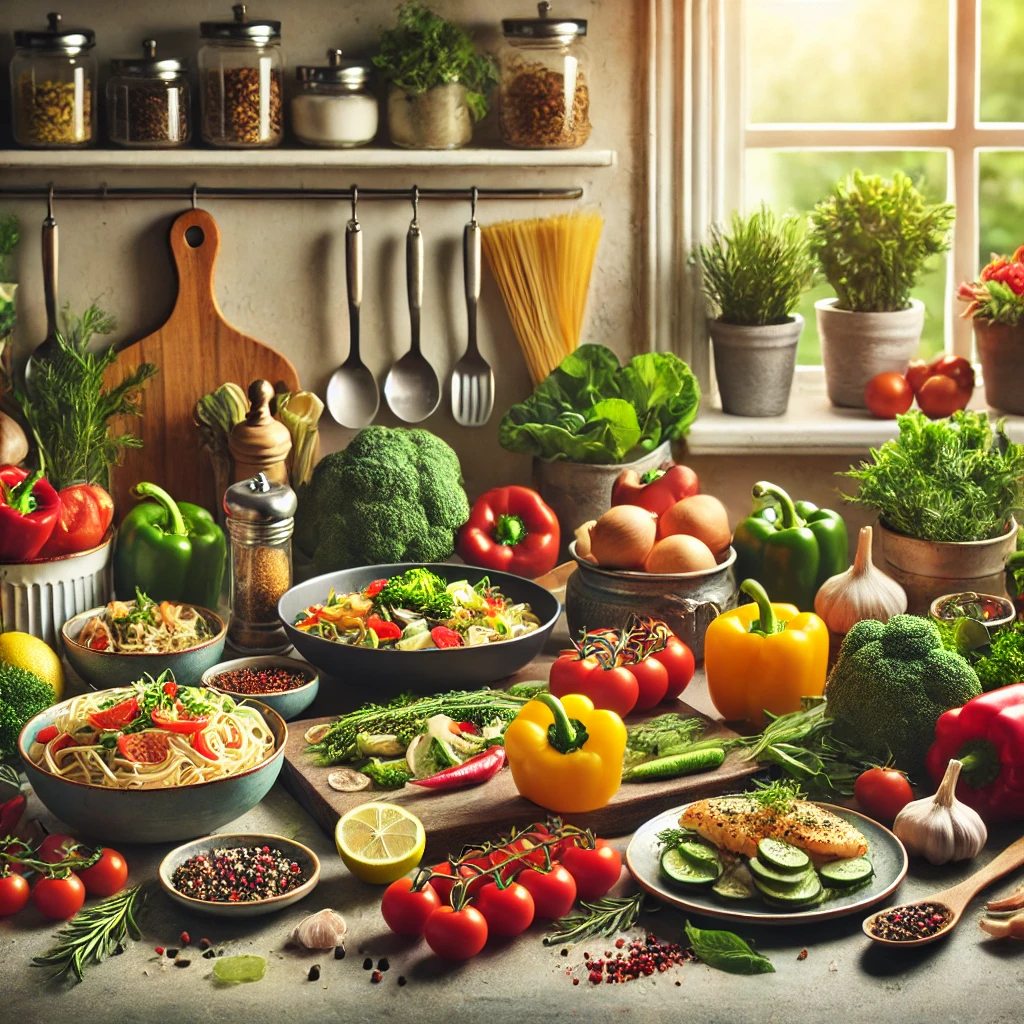
Reducing sodium in your meals doesn’t mean sacrificing flavor. With the right ingredients, you can recreate your favorite dishes while keeping sodium levels in check. Let’s explore some low-sodium swaps for popular meals that bring out the best in food without relying on added salt.


1. Pasta Dishes

Swap Out: Regular pasta sauces, which can contain high sodium levels due to salt and preservatives.

Low-Sodium Swap: Make a fresh tomato sauce at home using ripe tomatoes, garlic, and herbs like basil and oregano. You can add depth by roasting the tomatoes beforehand. For a creamy alternative, use a low-sodium cream sauce with fresh herbs and unsalted butter. Try zucchini noodles or whole-wheat pasta for added fiber and a more nutritious base.


2. Tacos and Burritos

Swap Out: Pre-made taco seasoning packets, which can contain up to 300-500 mg of sodium per serving.

Low-Sodium Swap: Make your own taco seasoning with chili powder, cumin, paprika, and garlic powder. Use fresh vegetables as toppings, like diced tomatoes, shredded lettuce, and avocado, instead of salty cheese and sour cream. For the protein, try grilled chicken or seasoned tofu, using herbs and spices to bring out the flavor.


3. Fried Rice

Swap Out: Soy sauce, which contains around 800 mg of sodium per tablespoon.

Low-Sodium Swap: Use low-sodium soy sauce, or even better, switch to coconut aminos, which have a similar flavor profile but are lower in sodium. Add flavor with fresh garlic, ginger, and green onions, and load your fried rice with colorful vegetables like bell peppers, carrots, and peas for texture and freshness.


4. Pizza

Swap Out: Regular pizza dough and sauces, which can be high in sodium.

Low-Sodium Swap: Opt for homemade pizza dough with minimal salt, or try a cauliflower crust for a nutritious alternative. Use a low-sodium tomato sauce or blend fresh tomatoes with garlic and basil for a DIY sauce. Top with fresh mozzarella, which is lower in sodium than processed cheeses, and finish with basil, spinach, and other fresh toppings.


5. Salad Dressings

Swap Out: Bottled dressings, which often contain preservatives and high sodium levels.

Low-Sodium Swap: Make a simple vinaigrette at home using olive oil, vinegar (balsamic or apple cider), and fresh herbs. Add lemon juice, garlic, or a dash of Dijon mustard for depth without extra sodium. For creamy dressings, blend avocado with lemon juice, olive oil, and herbs for a heart-healthy alternative.


6. Soup

Swap Out: Canned soups, notorious for their high sodium content.

Low-Sodium Swap: Prepare soups at home using fresh vegetables and unsalted broth. You can make a flavorful broth by simmering vegetables, garlic, and herbs. Roasting vegetables before adding them to the soup brings out their natural flavors, reducing the need for added salt.


7. Snacks

Swap Out: Chips and pretzels, which are typically loaded with salt.

Low-Sodium Swap: Swap chips for baked veggie crisps made from kale, sweet potatoes, or zucchini. For a crunchy snack, try air-popped popcorn with a sprinkle of nutritional yeast, garlic powder, or smoked paprika for flavor.


8. Sandwiches and Burgers

Swap Out: Processed deli meats, which are packed with sodium.

Low-Sodium Swap: Use fresh grilled chicken, turkey, or roasted veggies like mushrooms and bell peppers as sandwich fillers. Season with fresh herbs or spices instead of reaching for salty condiments. Try whole-grain bread options with lower sodium content, and pile on fresh ingredients like arugula, avocado, and tomatoes.


Tips for Flavorful, Low-Sodium Cooking

  • Herbs and Spices: Fresh herbs like basil, cilantro, and rosemary bring natural flavor, while spices like cumin, paprika, and turmeric add depth.
  • Citrus and Vinegars: Lemon, lime, and different types of vinegar (balsamic, apple cider) brighten flavors and reduce the need for salt.
  • Roasting and Searing: Cooking techniques like roasting, searing, and grilling enhance the natural taste of foods, making them richer and more flavorful without added salt.

With a few simple swaps and creative seasoning, you can enjoy all your favorite meals in a heart-healthy, low-sodium way. Experiment with these ingredients, and you’ll find that flavorful, low-sodium cooking can be both satisfying and easy to achieve.

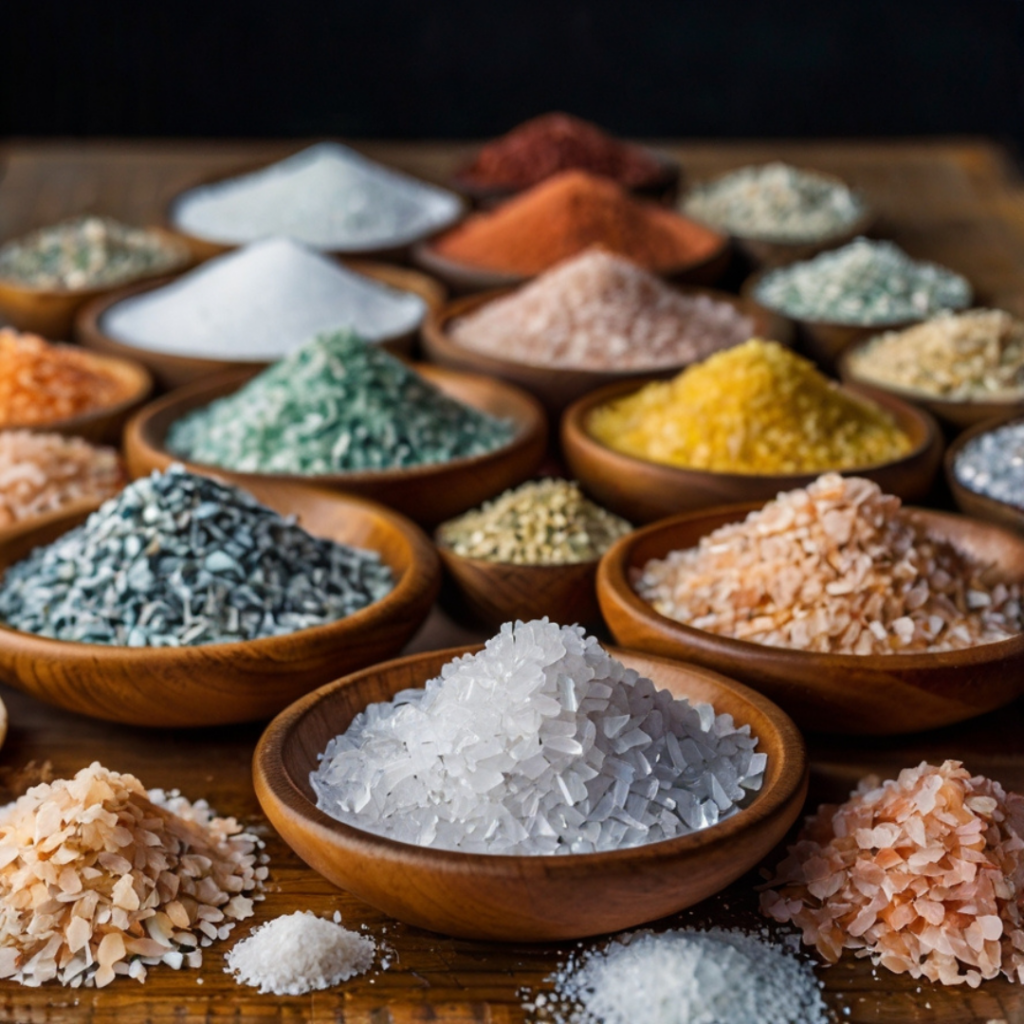
The Many Faces of Salt: Understanding Which Salts Are Good, Which Are Bad, and Why Your Choice Matters

Salt is an essential mineral, but it’s also one of the most misunderstood ingredients in the modern diet. Not only is it necessary for life, playing a key role in regulating fluids and helping transport water into our cells, but it can also be harmful in excess, leading to issues like hypertension and heart disease. The challenge is understanding the different types of salt and why some may be better for your health than others.

In this article, we’ll explore the different kinds of salt, why your choice matters, and why it’s important to monitor both the quantity and quality of the salt you consume.


Why Does the Body Need Salt?

Before diving into the types of salt, it’s crucial to understand why your body needs it. Sodium, a key component of salt, is essential for several important functions, including:

  • Fluid balance: Sodium helps regulate the amount of water in your cells, ensuring proper hydration.
  • Nerve transmission: It plays a vital role in transmitting electrical signals in the nervous system.
  • Muscle contraction: Sodium helps muscles, including the heart, contract effectively.

While sodium is necessary for these bodily functions, modern diets typically provide far more sodium than the body requires. The American Heart Association recommends no more than 2,300 milligrams of sodium per day, yet most people consume more than 3,400 milligrams daily. Excess sodium intake can lead to health problems like high blood pressure, heart disease, and stroke. However, the type of salt you consume may also play a role in your overall health.


The Different Types of Salt: Good vs. Bad

There are several types of salt available, and while they all contain sodium, their mineral content, processing methods, and impact on health vary widely.

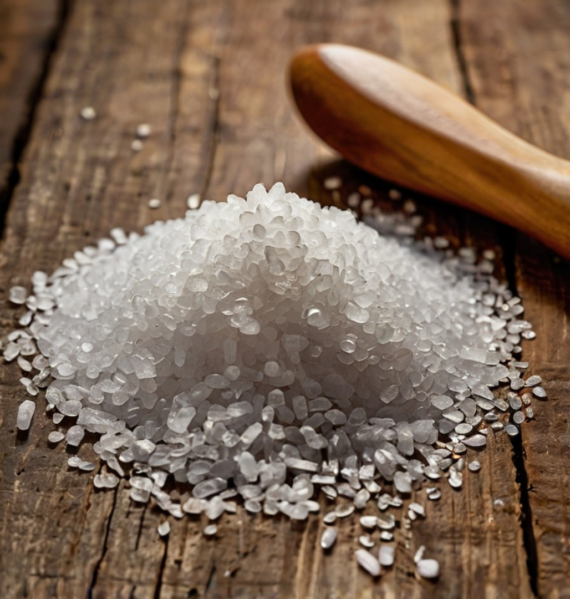
1. Table Salt (Refined Salt)

  • What it is: Refined or table salt is the most common form of salt found in households and processed foods. It’s highly processed, often stripped of minerals, and has added anti-caking agents and sometimes iodine.
  • Why it can be bad: The heavy processing means table salt lacks beneficial trace minerals. Plus, its widespread use in processed foods leads to overconsumption, contributing to high sodium intake and associated health risks like hypertension.
  • Key takeaway: Table salt should be used sparingly and monitored closely due to its highly processed nature and lack of nutritional value beyond sodium.

2. Sea Salt

  • What it is: Harvested through the evaporation of seawater, sea salt retains some trace minerals like magnesium, calcium, and potassium. It’s less processed than table salt, but still high in sodium.
  • Why it’s better: The trace minerals in sea salt can offer small health benefits, and the larger crystals may provide more flavor, potentially encouraging people to use less. However, it’s important to note that the sodium content is still high.
  • Key takeaway: While sea salt has more minerals than table salt, moderation is key as the sodium content is still substantial.

3. Himalayan Pink Salt

  • What it is: Mined from ancient sea beds in the Himalayas, this salt is celebrated for its pink color, which comes from iron oxide. It also contains trace amounts of calcium, magnesium, and potassium.
  • Why it’s often considered better: Advocates of Himalayan pink salt believe it’s a purer option, free from pollutants and containing additional minerals that may support health. Its coarse structure can also enhance flavor, allowing you to use less overall.
  • Key takeaway: While Himalayan pink salt has trace minerals that can be beneficial, it’s still high in sodium. Its mineral content should not be relied upon for nutritional needs, but it’s a better option than heavily refined table salt.

4. Kosher Salt

  • What it is: Kosher salt has larger crystals and is often used in cooking due to its texture and ability to draw moisture from foods. It’s typically free of additives.
  • Why it’s considered good: Kosher salt is minimally processed and doesn’t contain as many additives as table salt. Its larger crystals make it easier to pinch and sprinkle on foods, which may help users control their sodium intake.
  • Key takeaway: Kosher salt can be a good option for those looking to reduce sodium since its larger crystals pack more flavor with less actual salt per pinch.

5. Celtic Sea Salt

  • What it is: This salt is harvested from the coastal areas of France using ancient Celtic methods. It retains its natural minerals and is often moist, giving it a unique texture.
  • Why it’s beneficial: The high mineral content of Celtic sea salt, including magnesium, calcium, and potassium, makes it a more nutrient-dense choice. Its lower sodium content compared to refined salts means it’s a healthier option overall.
  • Key takeaway: Celtic sea salt is a good choice for those looking for a salt that provides trace minerals and helps with hydration while being lower in sodium than more refined salts.

Why Salt Choice Matters: Beyond Sodium Quantity

While the amount of sodium you consume is critical for health, the type of salt you choose can also make a significant difference. Here’s why:

1. Trace Minerals Can Support Health

Unrefined salts like Himalayan pink salt and Celtic sea salt contain trace amounts of minerals like magnesium, calcium, and potassium, which are beneficial for overall health. While the quantities are small, they contribute to electrolyte balance and support various bodily functions.

For instance, potassium helps to counterbalance sodium’s effect on blood pressure, while magnesium plays a role in muscle and nerve function. These minerals can make unrefined salts a better option than highly processed table salt.

2. Less Processed Salts May Help You Use Less

Salts like kosher and sea salt often have larger crystals, which provide a stronger burst of flavor. This allows you to use less salt while still achieving the same level of seasoning, potentially reducing overall sodium intake.

3. Reducing Toxins and Additives

Many refined salts contain additives like anti-caking agents and even trace microplastics from pollution in sea salt. Opting for salts that are less processed and sourced from cleaner environments, like Himalayan pink salt, can reduce your exposure to these substances.


Choosing the Right Salt for Hydration and Health

While reducing sodium intake is crucial for heart health, it’s also important to choose salts that support hydration and cellular function. Sodium helps the body retain water and allows for the movement of fluids into cells, which is why it’s essential to maintain a healthy sodium balance. However, this doesn’t mean consuming excess sodium is beneficial.

Choosing unrefined salts that retain essential minerals—such as Himalayan pink salt or Celtic sea salt—can help promote proper hydration, especially when combined with a diet rich in potassium and magnesium. These minerals help balance sodium’s effects, ensuring that your body stays hydrated without retaining excess water, which can lead to bloating and high blood pressure.


Conclusion: Salt in Moderation and Choosing Wisely

Although the body needs sodium, the type of salt and the amount consumed make all the difference. Highly processed table salt, while common, offers little nutritional value beyond sodium, and its widespread use in processed foods contributes to overconsumption. On the other hand, unrefined salts like Himalayan pink salt, Celtic sea salt, and kosher salt offer a richer mineral profile and may help you reduce your overall sodium intake.

When choosing a salt, think beyond just taste and convenience. Opt for minimally processed, mineral-rich salts that can support hydration and overall health while keeping your sodium intake in check. After all, it’s not just about cutting sodium—it’s about making smarter choices for your long-term well-being.


Sources:

  1. American Heart Association (AHA) – Sodium Guidelines
  2. World Health Organization (WHO) – Reducing Salt Intake
  3. Harvard Health Publishing – Sodium and Your Health

The Benefits of Cutting Sodium: Why Reducing Your Intake is Good for Your Body

Sodium is an essential mineral that plays a crucial role in maintaining fluid balance, transmitting nerve impulses, and supporting muscle function. While the body needs sodium to help transport water into cells, most people consume far more than the necessary amount, leading to serious health risks. The average American’s daily sodium intake is over 3,400 milligrams, more than double the recommended limit of 2,300 milligrams set by health authorities like the American Heart Association (AHA) and the Centers for Disease Control and Prevention (CDC). For those with high blood pressure, heart disease, or diabetes, the suggested limit is even lower, at 1,500 milligrams per day.

This article explores why cutting sodium intake is beneficial for the body, even though sodium is necessary for cellular functions. We’ll also look at the dangers of excess sodium, how reducing sodium can improve health outcomes, and practical ways to reduce sodium in your diet without compromising flavor.


Why the Body Needs Sodium

Sodium is a vital electrolyte that helps regulate various bodily functions. Here’s a look at why it is important:

  1. Fluid Balance: Sodium helps maintain the right balance of fluids inside and outside of cells. It works with other electrolytes like potassium to regulate the movement of water and other nutrients across cell membranes.
  2. Nerve Function: Sodium is essential for transmitting nerve impulses. It creates electrical gradients that allow signals to be sent throughout the nervous system.
  3. Muscle Contraction: Sodium plays a role in muscle contraction, including the contraction of the heart muscle. It works alongside calcium and potassium to ensure muscles respond correctly to nerve signals.

While these functions highlight the importance of sodium, it’s worth noting that very little sodium is needed to carry them out—about 500 milligrams per day is sufficient for most people. In modern diets, sodium levels far exceed what the body actually requires.


The Dangers of Excess Sodium Consumption

Excessive sodium intake can disrupt the body’s balance and lead to several health problems. Here’s how too much sodium can negatively impact your health:

1. High Blood Pressure (Hypertension)

Sodium attracts water, so consuming too much of it can increase the volume of blood in the bloodstream, leading to higher blood pressure. High blood pressure is a significant risk factor for cardiovascular diseases, including heart attacks and strokes. According to the World Health Organization (WHO), reducing sodium intake is one of the most effective ways to prevent hypertension and its associated health risks.

2. Heart Disease and Stroke

High sodium levels contribute to the hardening and narrowing of arteries, a condition known as atherosclerosis. This increases the risk of heart disease and stroke. Research published in the journal Circulation found that cutting sodium intake by just 1,000 milligrams a day can reduce blood pressure and lower the risk of heart-related events by up to 30%.

3. Kidney Damage

The kidneys play a key role in regulating sodium levels in the body. When sodium intake is excessive, the kidneys must work harder to excrete the excess, which can strain the organs over time. High sodium levels can also lead to the formation of kidney stones and worsen existing kidney conditions.

4. Bone Health

Excess sodium can cause the body to lose calcium, which is excreted through urine. This can weaken bones over time and increase the risk of osteoporosis, particularly in individuals who already have low calcium intake.

5. Water Retention and Bloating

High sodium levels can cause the body to retain water, leading to bloating and puffiness, particularly in the face, hands, and feet. Reducing sodium intake can help alleviate these symptoms and promote a feeling of lightness.


How Reducing Sodium Intake Benefits the Body

Cutting down on sodium can have immediate and long-term health benefits. Here’s a look at how reducing sodium intake improves bodily functions:

1. Improved Blood Pressure Regulation

Studies have consistently shown that reducing sodium intake helps lower blood pressure. For people with hypertension, even modest reductions in sodium can have significant effects. Lower blood pressure reduces the strain on the heart and arteries, helping to prevent cardiovascular complications.

2. Decreased Risk of Heart Disease and Stroke

As sodium intake decreases, so does the risk of heart disease and stroke. By consuming less sodium, the likelihood of developing conditions such as atherosclerosis diminishes. This is particularly important for individuals with a family history of heart disease.

3. Enhanced Kidney Function

Reducing sodium intake eases the burden on the kidneys, allowing them to function more effectively. This is especially beneficial for people with chronic kidney disease or those at risk of kidney stones.

4. Better Bone Health

Lower sodium consumption can help preserve calcium levels in the body, supporting stronger bones. It’s a particularly important dietary change for individuals at risk for osteoporosis, including postmenopausal women.

5. Less Bloating and Fluid Retention

A reduction in sodium can also help reduce bloating and fluid retention, making you feel lighter and more comfortable. This can be particularly helpful for athletes or people who experience swelling due to conditions like lymphedema.


Balancing Sodium Intake: The Role of Potassium

While reducing sodium is important, it’s also crucial to maintain a healthy balance of potassium. Potassium helps counteract the effects of sodium by relaxing blood vessels, aiding in the excretion of sodium, and lowering blood pressure. Foods high in potassium include:

  • Bananas
  • Sweet potatoes
  • Spinach
  • Avocados
  • Oranges

Incorporating these potassium-rich foods into your diet can further enhance the benefits of reducing sodium, creating a balanced approach to electrolyte management.


Practical Tips for Cutting Sodium Without Losing Flavor

Reducing sodium in your diet doesn’t mean sacrificing taste. Here are some practical ways to lower your sodium intake while still enjoying delicious meals:

1. Cook at Home

Preparing meals at home allows you to control the amount of salt you use. Using fresh ingredients instead of processed foods significantly reduces sodium levels in your diet.

2. Use Herbs and Spices

Instead of reaching for the salt shaker, flavor your meals with herbs and spices like basil, oregano, thyme, garlic, and black pepper. These add depth to your dishes without increasing sodium content.

3. Choose Low-Sodium Products

When shopping, look for low-sodium or sodium-free versions of common items like broth, canned vegetables, and sauces. Be mindful of labels that state “reduced sodium,” as these products can still contain significant amounts of salt.

4. Rinse Canned Foods

If you use canned beans or vegetables, rinse them thoroughly under cold water to wash away excess sodium.

5. Limit High-Sodium Condiments

Condiments such as soy sauce, ketchup, and salad dressings are often loaded with sodium. Opt for low-sodium alternatives or make your own versions at home.

6. Gradually Reduce Salt

If you’re accustomed to a high-sodium diet, gradually reduce your salt intake to allow your taste buds to adjust. Over time, your preference for salty foods will diminish.


Conclusion: Small Changes, Big Impact

While sodium is necessary for essential bodily functions like fluid balance and nerve transmission, most people consume far more than they need. The consequences of excessive sodium intake, such as hypertension, heart disease, and kidney damage, underscore the importance of moderating sodium consumption.

By cutting sodium intake, you can significantly improve your health outcomes, reduce the risk of chronic diseases, and feel better overall. It’s not just about avoiding health problems—it’s about taking proactive steps to enhance your quality of life. By cooking at home with low-sodium recipes, such as those offered by platforms like RecipeShop.net, you can make healthy, flavorful eating a daily habit.

Small changes in your diet can indeed make a big impact. Start today, and take control of your health, one meal at a time.


Sources:

  1. Centers for Disease Control and Prevention (CDC). “Sodium and Your Health.” CDC.gov
  2. American Heart Association (AHA). “How Salt Affects Heart Health.” Heart.org
  3. World Health Organization (WHO). “Salt Reduction.” WHO.int

Few Heart Attack Survivors Get Expert Advice on Diet—And It’s Putting Their Recovery at Risk ??

Few Heart Attack Survivors Get Expert Advice on Diet—And It’s Putting Their Recovery at Risk

A recent article from HealthDay published on June 5th in U.S. News revealed a startling fact: many heart attack survivors aren’t getting the dietary guidance they desperately need for recovery and long-term heart health. This is concerning because the right diet plays a pivotal role in preventing future complications and promoting overall cardiovascular health.

Without proper advice, survivors are left guessing about what to eat and how to adjust their sodium, fat, and carb intake—critical elements for a heart-healthy lifestyle.

At Recipe Shop, we’ve made it our mission to simplify this process. With our collection of low-carb, low-sodium recipes, survivors and those managing heart conditions can easily access heart-healthy meal options. Even better, our shoppable recipes allow users to send ingredients directly to their grocery cart for convenient pickup or delivery.

Let’s work together to bridge this gap in post-heart attack care by ensuring that patients have the tools they need to take control of their recovery.

Read the full article from HealthDay here: https://www.usnews.com/news/health-news/articles/2024-06-05/few-heart-attack-survivors-get-expert-advice-on-diet


? Learn how Recipe Shop can support a heart-healthy diet: RecipeShop.net

#HeartHealth #DietAndNutrition #HealthyLiving #RecipeShop #USNews

Part of the Heart Healthy Meal Plan →

low-sodium lunch

Low-Sodium Lunch Ideas That Are Perfect for Busy Days!

Simple, balanced meals designed for energy, heart health, and steady blood sugar

Low sodium lunch ideas that are quick, filling, and actually taste good can be hard to find.  Most “healthy” lunch ideas are either overloaded with hidden sodium or leave you hungry an hour later.

This guide gives you practical, real-life low sodium lunch ideas designed to support energy, heart health, and blood sugar balance—without sacrificing flavor.


Quick Low Sodium Lunch Ideas (Start Here)

If you just need ideas fast, start with these:


Why Low Sodium + Balanced Carbs Works

At Recipe Shop, meals are built using the 45/500 Framework™:

  • ~45g carbohydrates for steady energy
  • ~500mg sodium to support heart and brain health

This balance helps:

  • prevent energy crashes
  • stabilize mood and focus
  • support long-term heart health

According to the American Heart Association, most adults should aim to limit sodium intake to 1,500–2,300 mg per day.


How to Build Low Sodium Lunch Ideas That Keep You Full

Protein: The Foundation

Choose lean, unprocessed proteins:

  • grilled chicken
  • turkey
  • eggs
  • fish
  • tofu

Avoid processed deli meats, which are often high in sodium.


Vegetables: Fiber + Volume

Focus on non-starchy vegetables:

  • leafy greens
  • cucumbers
  • zucchini
  • bell peppers
  • cauliflower

These add fiber, nutrients, and help keep you full.


Healthy Fats: Stay Satisfied

Add:

  • avocado
  • olive oil
  • nuts and seeds

These support brain health and prevent hunger between meals.


Easy Low Sodium Lunch Ideas You Can Prep Fast

Salad-Based Meals

  • Grilled chicken salad with cucumbers, tomatoes, and lemon dressing
  • Spinach and avocado salad with grilled shrimp

Wraps & Roll-Ups

  • Turkey and avocado lettuce wraps
  • Grilled chicken and veggie wraps with low-sodium hummus

Protein Bowls

  • Cauliflower rice + grilled chicken + roasted vegetables
  • Quinoa bowl with vegetables and lemon-tahini dressing

Soups & Prep Meals

  • Homemade chicken and vegetable soup (low sodium)
  • Batch-prepped protein + veggie containers

Snack-Style Lunches

  • Hard-boiled eggs, raw vegetables, almonds
  • Cheese, cucumber slices, and hummus

Try These Low-Sodium Recipes

Start with these balanced meals:

These low sodium lunch ideas are designed to be simple, practical, and easy to repeat during a busy week.

According to the American Heart Association, most adults should aim to limit sodium intake to 1,500–2,300 mg per day


How to Add Flavor Without Salt

Low sodium doesn’t mean low flavor. Use:

  • garlic and onion powder
  • smoked paprika
  • fresh herbs
  • lemon juice and vinegar
  • spices and seasoning blends

Common Low-Sodium Pitfalls

Hidden Sodium

Watch for:

  • sauces and dressings
  • canned foods
  • processed meats

Lack of Variety

Rotate ingredients weekly to avoid burnout and keep meals interesting.


Not Enough Protein or Fat

This leads to cravings and energy crashes. Balance your meals.


Low-Sodium Lunch FAQ

What is considered low sodium for lunch?
Aim for about 400–600mg per meal for a balanced approach.

Can low sodium meals still taste good?
Yes—flavor comes from herbs, acid, and cooking techniques, not just salt.

What’s the easiest low sodium lunch?
A protein + veggie bowl with olive oil and seasoning is simple and effective.


Final Takeaway

Low sodium eating doesn’t have to be complicated or bland. With the right structure, you can build meals that are:

  • satisfying
  • energizing
  • supportive of long-term health

Every lunch is a chance to fuel your body—and your future.

Explore more recipes and structured meal plans at RecipeShop.net.

The Hidden Connection: Diabetes and Heart Disease

Beyond the well-known risks and symptoms, several lesser-known facts illuminate the profound connection between diabetes and heart disease.

When discussing chronic health conditions, diabetes and heart disease often surface as significant concerns. However, the intricate relationship between these two ailments is not as widely understood as it should be. Beyond the well-known risks and symptoms, several lesser-known facts illuminate the profound connection between diabetes and heart disease. Understanding these nuances is crucial for effective prevention and management.

1. The Silent Progression of Cardiovascular Risk

One of the most alarming aspects of diabetes is its ability to silently increase cardiovascular risk. People with diabetes are more likely to develop atherosclerosis, a condition where arteries harden and narrow due to the buildup of plaque. This process often begins long before diabetes is diagnosed. Research has shown that even pre-diabetes, where blood sugar levels are higher than normal but not yet high enough to be classified as diabetes, can accelerate the onset of cardiovascular issues.

2. The Role of Advanced Glycation End Products (AGEs)

Advanced Glycation End Products (AGEs) are harmful compounds formed when protein or fat combines with sugar in the bloodstream. High levels of AGEs are found in individuals with diabetes and are known to contribute to the development of heart disease. AGEs promote inflammation and oxidative stress, which damage blood vessels and increase the risk of heart attacks and strokes. Reducing the intake of AGE-rich foods, such as processed and grilled meats, can help mitigate this risk.

3. The Impact of Diabetic Cardiomyopathy

Diabetic cardiomyopathy is a little-known condition directly linked to diabetes, independent of other cardiovascular risk factors like hypertension or coronary artery disease. This disorder affects the heart muscle’s structure and function, leading to heart failure. The exact mechanisms are still under study, but it is believed that chronic high blood sugar levels cause direct damage to the heart’s cells, leading to fibrosis (thickening and stiffening of the heart tissue).

4. Gender Differences in Heart Disease Risk

Gender plays a significant role in the diabetes-heart disease link, with women facing unique challenges. Women with diabetes are more likely to develop heart disease at a younger age compared to men. Additionally, diabetic women have a higher mortality rate from heart disease than their male counterparts. Hormonal differences and a higher prevalence of risk factors like obesity and high blood pressure in diabetic women may contribute to this disparity.

5. The Influence of Insulin Resistance

Insulin resistance, a hallmark of type 2 diabetes, also significantly impacts heart health. It not only impairs the body’s ability to regulate blood sugar but also affects lipid metabolism, leading to dyslipidemia—a condition characterized by abnormal levels of cholesterol and triglycerides in the blood. This combination accelerates the development of atherosclerosis and increases the likelihood of heart disease.

6. Microvascular Complications and Heart Health

While much attention is given to macrovascular complications (large blood vessel issues) in diabetes, microvascular complications (small blood vessel issues) are equally important. Diabetic microvascular disease affects the tiny blood vessels in the heart, impairing its function and leading to conditions such as microvascular angina. This type of chest pain occurs without the typical blockages seen in larger arteries, making it harder to diagnose and treat.

7. The Protective Role of Lifestyle Interventions

Though the link between diabetes and heart disease is formidable, lifestyle interventions can provide significant protection. Studies have shown that a combination of a healthy diet, regular physical activity, and weight management can reduce the risk of cardiovascular complications by improving blood sugar control and reducing inflammation. Surprisingly, even modest lifestyle changes can have profound impacts on heart health, underscoring the importance of comprehensive diabetes management.

Conclusion

The connection between diabetes and heart disease is complex and multifaceted, involving various physiological processes and risk factors. By understanding these lesser-known facts, individuals with diabetes and healthcare providers can better anticipate and mitigate the risks of heart disease. Emphasizing early detection, personalized treatment plans, and proactive lifestyle changes are essential steps toward breaking the link between these two chronic conditions. As research continues to unravel the intricate web connecting diabetes and heart disease, one thing remains clear: comprehensive care and informed awareness are key to improving outcomes for those affected.

Part of the Heart Healthy Meal Plan →