Showing 4 Result(s)
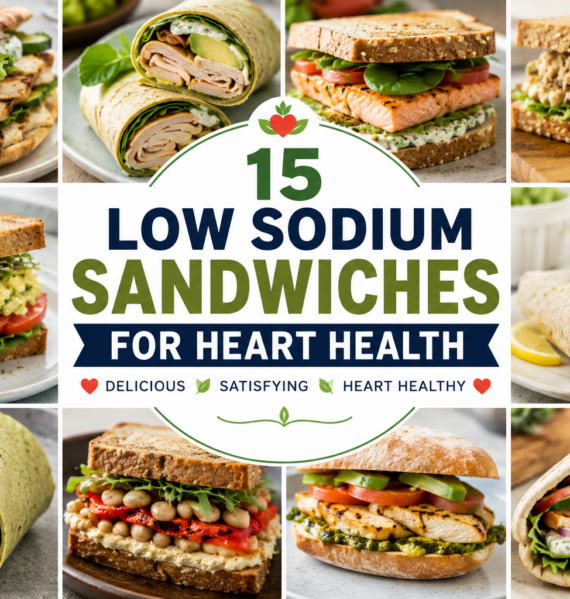
Collection of low sodium sandwiches and wraps including grilled chicken pita, turkey avocado wrap, salmon sandwich, chickpea sandwich, and heart-healthy lunch recipes.

15 Low Sodium Sandwiches for Heart Health

Looking for Low Sodium Sandwiches That Actually Taste Good?

Low sodium sandwiches can be difficult to find. Most sandwiches are sodium bombs loaded with deli meats, processed cheese, salty condiments, and restaurant breads that can contain hundreds or even thousands of milligrams of sodium.

Between deli meats, processed cheese, salty condiments, and restaurant breads, a single sandwich can easily contain more sodium than an entire healthy meal.

The good news is that low sodium sandwiches don’t have to be boring.

By focusing on fresh proteins, vegetables, herbs, healthy fats, and homemade spreads, you can enjoy satisfying sandwiches that support heart health, healthy blood pressure, and healthy aging.

Here are 15 low sodium sandwiches that actually deliver on flavor.


Why Many Low Sodium Sandwiches Taste Better Than Store-Bought Options

Many traditional sandwiches get their sodium from:

  • Deli meats
  • Processed cheeses
  • Pickles
  • Bottled sauces
  • Restaurant breads
  • Fast-food sandwich fillings

Making sandwiches at home gives you control over sodium while allowing you to build meals packed with protein, fiber, and healthy fats.


1. Grilled Chicken & Zucchini Pita with Herbed Yogurt Sauce

Fresh grilled chicken paired with zucchini and creamy yogurt sauce creates a satisfying lunch without excessive sodium.

Recipe Shop Pairing: Grilled Chicken & Zucchini Pita with Herbed Yogurt Sauce

2. Turkey Avocado Lettuce Wrap

Fresh roasted turkey, avocado, lettuce, and tomato provide heart-healthy fats and protein.

Why it works:

  • Low sodium
  • High protein
  • Easy meal prep

3. Mediterranean Chicken Pita

Filled with:

  • Chicken breast
  • Cucumbers
  • Tomatoes
  • Yogurt sauce
  • Fresh herbs

4. Avocado Egg Salad Wrap

Creamy avocado replaces much of the mayonnaise while adding healthy fats.

5. Chicken Salad Lettuce Boats

A refreshing alternative to traditional sandwiches.

Made with:

  • Chicken breast
  • Greek yogurt
  • Celery
  • Herbs

6. Tuna & Avocado Wrap

Combines protein-rich tuna with creamy avocado and crisp vegetables.

7. Grilled Salmon Sandwich

Omega-3 rich salmon paired with fresh greens creates a heart-healthy lunch.

8. Turkey Apple Crunch Wrap

Fresh turkey paired with apples and leafy greens creates a sweet and savory combination.

9. White Bean & Roasted Vegetable Flatbread

Plant-based and loaded with fiber.

Recipe Shop Pairing: Flatbread Pizza with Roasted Veggies & White Bean Spread

10. Chicken & Hummus Wrap

Lean protein combined with creamy hummus and crunchy vegetables.

11. Roasted Vegetable Pita

Packed with:

  • Bell peppers
  • Zucchini
  • Mushrooms
  • White bean spread

12. BBQ Spiced Salmon Wrap

A creative use of leftover salmon for meal prep lunches.

Recipe Shop Pairing: BBQ Spiced Salmon with Mashed Sweet Potatoes & Kale Slaw

13. Chickpea Salad Sandwich

A vegetarian alternative that delivers protein and fiber.

14. Turkey & Spinach Pita

Simple, satisfying, and perfect for work lunches.

15. Heart Healthy Chicken Wrap

A combination of:

  • Chicken breast
  • Avocado
  • Spinach
  • Tomatoes
  • Greek yogurt dressing

One of the easiest low sodium sandwiches for weekly meal prep.


What Makes Low Sodium Sandwiches Heart Healthy?

A heart-healthy sandwich focuses on:

  • Lean proteins
  • Fresh vegetables
  • Healthy fats
  • Whole grain or lower sodium breads
  • Homemade sauces and spreads

Limiting processed meats and packaged ingredients can significantly reduce sodium intake.


Benefits of Low Sodium Sandwiches for Heart Health

Reducing sodium intake may help:

  • Support healthy blood pressure
  • Promote cardiovascular health
  • Reduce fluid retention
  • Support circulation
  • Encourage healthy aging

According to the American Heart Association, most Americans consume far more sodium than recommended each day.


Frequently Asked Questions

What is the lowest sodium sandwich meat?

Freshly cooked chicken, turkey, and roast beef are generally lower in sodium than processed deli meats.

Can sandwiches be heart healthy?

Yes. Sandwiches made with lean proteins, vegetables, healthy fats, and lower sodium ingredients can support heart health.

What bread is best for a low sodium sandwich?

Look for breads containing less than 140 mg sodium per slice whenever possible.

Are wraps lower in sodium than bread?

Not always. Some wraps contain more sodium than bread, so it’s important to compare labels.


Related Low Sodium Resources

Looking for more heart-healthy lunch ideas?

Explore:


Low Sodium Sandwich Meal Prep Tips

Making low sodium sandwiches ahead of time can save time and help you avoid high-sodium convenience foods. Cook proteins such as chicken breast, turkey breast, or salmon in bulk and store them in individual portions. Prepare vegetables and homemade spreads in advance so lunches can be assembled in minutes throughout the week.

Meal prep-friendly options include:


The Bottom Line

Low sodium sandwiches don’t have to sacrifice flavor.

By choosing fresh ingredients, lean proteins, vegetables, and homemade spreads, you can build lunches that support heart health while still tasting great.

Whether you prefer wraps, pitas, flatbreads, or traditional sandwiches, there are plenty of delicious options that fit a low sodium lifestyle.

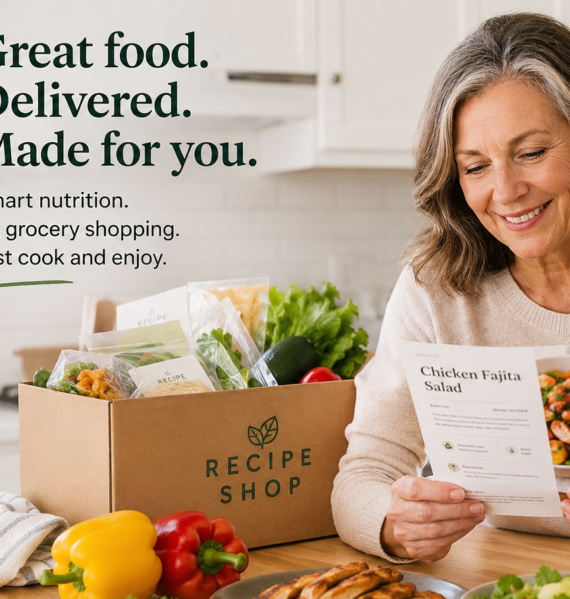
 

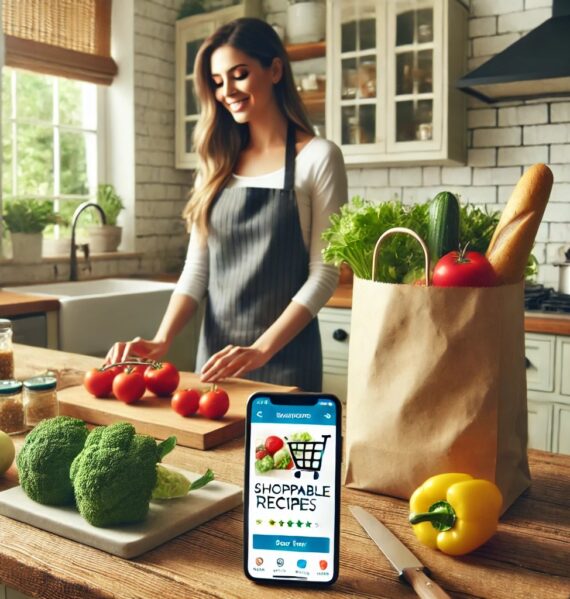
Fresh ingredients in a grocery cart with a digital recipe, representing shoppable recipes for healthy eating

Shoppable Recipes: The Future of Meal Prep & Grocery Shopping

The Meal Prep Revolution Has Begun

Imagine this: You find a delicious, healthy recipe, click a button, and—just like that—all the ingredients are added to your grocery cart for pickup or delivery. No more writing shopping lists, no more last-minute runs to the store, and no more forgotten ingredients. Just stress-free meal planning in one click!

That’s the power of shoppable recipes, and they’re changing the way we cook at home. Recently, The New York Times partnered with Instacart to bring this concept mainstream, helping readers seamlessly transition from recipe discovery to grocery shopping. But at Recipe Shop, we take it even further, ensuring that meal planning isn’t just convenient—it’s healthy, affordable, and effortless.


? What Are Shoppable Recipes?

Shoppable recipes connect meal planning with grocery shopping, allowing you to instantly add all the necessary ingredients to your preferred store’s online cart. These recipes integrate with platforms like Instacart, Walmart, and other grocery delivery services, turning meal prep into a one-click solution.

? How It Works:

✔️ Choose a Recipe – Browse a collection of easy, nutritious meals.
✔️ Click to Shop – Add all ingredients to your online grocery cart instantly.
✔️ Select Pickup or Delivery – Choose a store, schedule a time, and skip the lines!
✔️ Cook & Enjoy – Your ingredients arrive at your doorstep, ready to go!

No lists, no forgotten ingredients, no wasted time—just effortless, stress-free meal prep.


? Why Shoppable Recipes Are a Game-Changer

1. Saves Time & Makes Meal Prep Effortless

For most of us, meal planning takes too much time—searching for recipes, writing grocery lists, and making multiple trips to the store. Shoppable recipes cut this process down to minutes, freeing up your schedule while ensuring healthy, home-cooked meals are always within reach.

? Before: Find a recipe → Write a list → Shop → Forget an ingredient → Go back to the store.
? Now: Find a recipe → Click to shop → Get groceries → Cook with ease!

2. Reduces Impulse Buys & Food Waste

Did you know? The average American wastes over $1,300 on uneaten food every year! Shoppable recipes reduce food waste by helping you buy only what you need, in the right quantities. Plus, you’ll avoid impulse buys that sneak into your cart when wandering grocery aisles.

3. Supports Healthy Eating Without the Guesswork

Most people want to eat healthier but don’t have time to research nutritional labels, portion sizes, and balanced meal options. Recipe Shop ensures that every meal is expertly designed for health, making it easy to:

✔️ Stick to nutritious meals without the stress of planning.
✔️ Avoid processed, high-sodium, and high-carb foods that hurt your health.
✔️ Cook at home more often, without the temptation of takeout.


? Why Recipe Shop is Leading the Shoppable Recipe Movement

While major platforms like The New York Times and Instacart are making headlines for their shoppable recipe integration, Recipe Shop is taking this innovation even further by offering a health-focused meal-planning solution designed for people who want convenience without compromising on nutrition.

? How Recipe Shop Stands Out:

Designed for busy people who want to eat well without the hassle.
Shoppable in one click—order from Instacart or Walmart with zero stress.
Expert-curated meals that are quick, delicious, and easy to make.
No unnecessary ingredients—just smart, practical shopping that saves you time and money.

? Healthy Eating Has Never Been This Simple

With Recipe Shop, eating well is as easy as:
Click a recipe
Add ingredients to your grocery cart
Pick up or get delivery
Cook and enjoy stress-free meals!


? Ready to Try the Easiest Way to Meal Plan?

Join Recipe Shop today and experience the next generation of meal prep—where healthy eating meets ultimate convenience!

? Get started now at RecipeShop.net

#ShoppableRecipes #MealPlanning #HealthyEating #GroceryDelivery #EasyCooking #RecipeShop #SmartShopping #FoodTech #MealPrep

Simplify Mealtime for Caregivers with Recipe Shop

Simplify Mealtime for Caregivers

Caring for a loved one is a rewarding but often demanding responsibility. Between doctor’s appointments, daily tasks, and ensuring your loved one’s well-being, planning and preparing meals can feel like an overwhelming chore. That’s where Recipe Shop comes in. Our platform is designed to make healthy eating effortless, especially for caregivers who need simple, effective solutions to meet dietary needs like low-carb and low-sodium requirements.

Here’s how Recipe Shop can transform your caregiving routine and simplify mealtime preparation for the person in your care:


1. Streamlined Recipe Selection

All recipes on Recipe Shop are carefully curated to support heart-healthy and diabetic-friendly diets, making it easy to find meals that align with your loved one’s nutritional needs. Whether you’re looking for flavorful soups, hearty casseroles, or refreshing salads, our platform ensures that every recipe is:

  • Low in Sodium: Helps manage blood pressure and supports heart health.
  • Low in Carbs: Ideal for managing blood sugar levels, especially for those with diabetes.
  • Delicious and Easy to Make: No more sacrificing taste for nutrition.

Simply browse our recipes, select the ones that fit your week’s meal plan, and you’re ready for the next step.


2. Shop Ingredients with Ease

Once you’ve chosen your recipes, Recipe Shop’s shoppable links allow you to instantly add all the necessary ingredients to your cart. With just a few clicks, you can place an order for delivery or pickup from local stores via Instacart or Walmart. This means you don’t have to worry about making multiple trips to the grocery store or missing essential items.


3. One-Day Meal Prep for the Week

Meal prep doesn’t have to take up all your time. With Recipe Shop, you can dedicate just one day to cooking several recipes that yield multiple servings. Here’s how it works:

  • Select 3-4 recipes that complement each other (e.g., a soup, a protein-rich main dish, and a veggie-packed side).
  • Set aside a few hours to prepare these meals. You or another family member can cook everything in one session.
  • Portion out the leftovers into storage containers for the week—perfect for quick reheating.

This approach saves time, ensures variety, and reduces daily cooking stress while guaranteeing your loved one enjoys nutritious, home-cooked meals.


4. Peace of Mind for Caregivers

Caregiving can be emotionally and physically taxing. Recipe Shop alleviates the burden of meal planning and preparation so you can focus on what truly matters: spending quality time with your loved one. By taking care of the food logistics, our platform provides:

  • Consistency: Ensures your loved one’s dietary needs are always met.
  • Convenience: Frees up valuable time in your schedule.
  • Confidence: Gives you the assurance that you’re providing healthy, delicious meals.

Why Caregivers Love Recipe Shop

Here’s what sets Recipe Shop apart:

  • Tailored Nutrition: Every recipe is crafted to support heart health and diabetes management.
  • Time-Saving Features: Shoppable recipes mean no more grocery list headaches.
  • Flexibility: Whether you’re preparing meals for the entire week or just need quick dinner ideas, Recipe Shop adapts to your needs.
  • Simplicity: Easy-to-follow recipes and an intuitive platform make meal planning stress-free.

Get Started Today

Taking care of a loved one’s health doesn’t have to feel overwhelming. With Recipe Shop, you can simplify mealtime, save time, and provide nutritious meals that meet essential dietary needs.

Ready to make your caregiving routine easier and healthier? Visit RecipeShop.net today and start planning meals that nourish both body and soul.

Recipes

healthy cottage cheese pizza bowl with roasted garlic chicken and melted mozzarella

Roasted Garlic Cottage Cheese Pizza Bowl with Crisped Protein Crust

Healthy cottage cheese pizza bowl inspired by the viral pizza bowl trend. This high-protein dinner delivers about 60g protein with …
French toast skillet topped with cinnamon apples and vanilla yogurt custard

French Toast Skillet with Vanilla Yogurt Custard & Cinnamon Apples

A cozy French toast skillet with cinnamon apples and vanilla yogurt custard, packed with protein and balanced for blood sugar-friendly …
High Protein soft-scrambled eggs with turkey sausage and crispy potatoes on a plate

Creamy Soft-Scramble Eggs with Turkey Sausage & Crispy Potatoes

Creamy soft-scramble eggs with turkey sausage and crispy potatoes deliver high-protein comfort with balanced carbs and lower sodium for steady …
Low-sodium lemon-thyme salmon with garlic roasted potatoes and sautéed kale on a plate

Lemon-Thyme Salmon with Garlic Roasted Potatoes & Sautéed Kale

Lemon-Thyme Salmon with roasted potatoes and sautéed kale delivers heart-healthy omega-3s, balanced carbs, and vibrant low-sodium flavor …
Low sodium grilled chicken and zucchini pita wrap with fresh herbed yogurt sauce

Grilled Chicken & Zucchini Pita with Herbed Yogurt Sauce

Fresh, grilled, and herb-loaded — this low-sodium pita wrap delivers chef-level flavor and everyday ease in one brain-boosting, belly-loving meal …
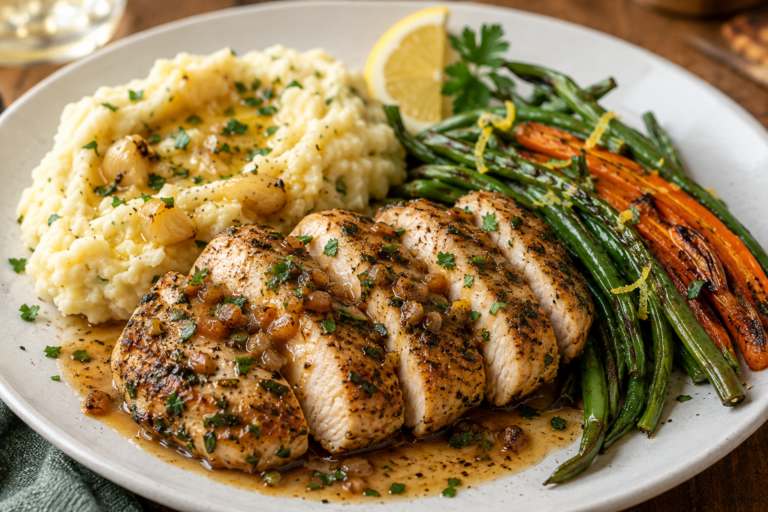
Low-sodium balsamic glazed chicken breast with caramelized shallots and creamy herbed polenta

Balsamic Glazed Chicken with Caramelized Shallots & Herbed Polenta

This chef-inspired balsamic glazed chicken with caramelized shallots and creamy herbed polenta delivers all the comfort without the crash. Low-sodium, …

The Ultimate Guide to Food Storage for Freshness and Longevity

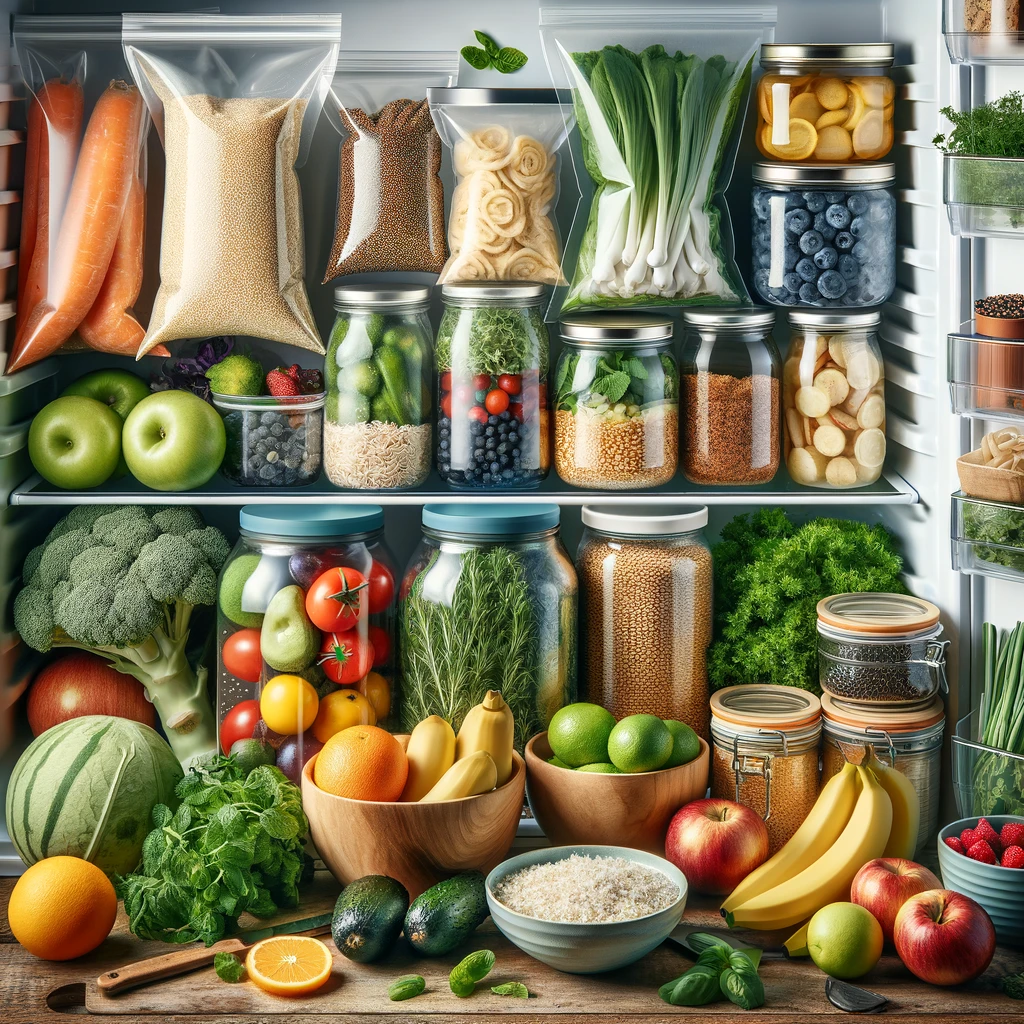
When it comes to maintaining a healthy diet, having fresh, readily available ingredients is key. But how do you keep your produce crisp and your meals tasty while minimizing waste? This guide will walk you through the essentials of food storage, ensuring your groceries go the distance and your meal prep is a breeze.

When it comes to maintaining a healthy diet, having fresh, readily available ingredients is key. But how do you keep your produce crisp and your meals tasty while minimizing waste? This guide will walk you through the essentials of food storage, ensuring your groceries go the distance and your meal prep is a breeze.

Clean and Store Produce Properly

**Lettuce and Leafy Greens:** 

Start by giving your greens a good wash. Fill a sink with cold water, submerge the leaves, and gently swish them around. Once cleaned, pat them dry with a clean towel or use a salad spinner. To keep them fresh, store them in a plastic or reusable silicone bag with a piece of paper towel inside. The paper towel will absorb excess moisture, preventing the greens from wilting too quickly.

**Berries and Delicate Fruits:** 

Berries should be washed just before eating to prevent them from becoming mushy. Store them in a single layer in a shallow container lined with paper towels. This setup helps keep them dry and extends their shelf life.

**Carrots and Celery:** 

Trim the ends of carrots and celery, and store them in a container filled with water. Change the water every few days to keep them crisp. This method works wonders, especially if you love a good crunch in your salads or snacks.

Prepping for Convenience

**Cutting and Bagging:** 

Dedicate some time to prepping your vegetables and fruits as soon as you bring them home. Cut bell peppers, cucumbers, and other sturdy veggies into bite-sized pieces and store them in clear containers. This way, you’re more likely to reach for a healthy snack or quickly throw together a salad.

**Herbs:** 

Wrap herbs in a damp paper towel and place them in a resealable plastic bag. For longer storage, you can chop the herbs and freeze them in olive oil using an ice cube tray. These herb cubes can be popped into soups, stews, or sautés, adding fresh flavor to your dishes.

Maximizing Leftovers

**Increase Serving Sizes:** 

When cooking, consider making larger batches. Not only does this save time, but it also means you’ll have leftovers that can be quickly reheated. Soups, stews, and casseroles are excellent candidates for this approach.

**Properly Storing Leftovers:** 

Ensure leftovers are stored in airtight containers and labeled with the date. This practice helps you keep track of what needs to be eaten first, reducing the chances of food waste.

Freezing for the Future

**Meals and Ingredients:** 

Freezing is a fantastic way to preserve food for future use. Cooked grains, proteins, and vegetables can all be frozen and then reheated with minimal effort. Portion meals into individual servings before freezing to make weeknight dinners even more convenient.

**Blanching Vegetables:** 

To freeze vegetables, blanch them first. This process involves boiling the vegetables briefly, then plunging them into ice water to stop the cooking process. Blanching preserves the color, texture, and nutrients of the vegetables. Once blanched, dry them thoroughly, place them on a baking sheet to freeze individually, and then transfer them to a freezer bag.

**Bread and Baked Goods:** 

Wrap bread tightly in plastic wrap and then in foil before freezing to prevent freezer burn. Slices of bread can be individually wrapped and pulled out as needed. Muffins, pancakes, and waffles can be frozen in a single layer on a baking sheet, then stored in a bag for easy reheating.

Taking the time to properly store your food not only keeps it fresher longer but also makes healthy eating more convenient. By washing, cutting, and bagging your produce, increasing serving sizes for leftovers, and utilizing your freezer wisely, you can reduce waste, save money, and ensure you always have fresh ingredients and meals at your fingertips. Happy eating!