Showing 6 Result(s)
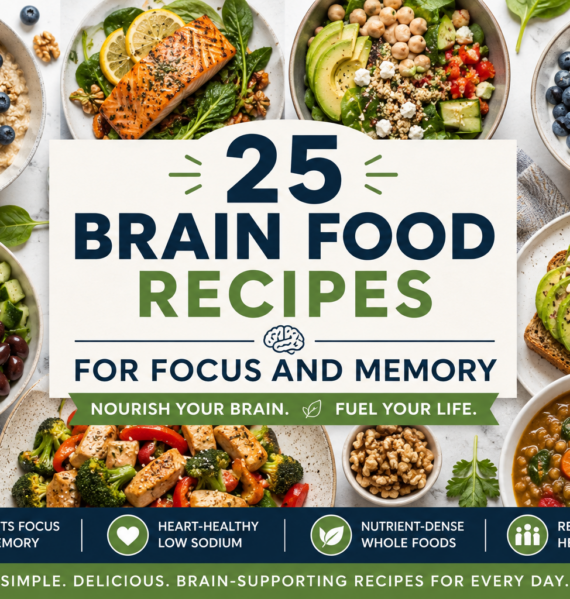
Brain food recipes featuring nutrient-rich ingredients that support memory, focus, mood, and healthy aging.

25 Brain Food Recipes for Focus and Memory

These brain food recipes are designed to support focus, memory, mood, and healthy aging through balanced nutrition. By combining protein, healthy fats, fiber, and nutrient-dense ingredients, these meals help fuel your brain while fitting into a practical everyday lifestyle.

If you’ve ever walked into a room and forgotten why you were there, struggled to concentrate during the afternoon, or found yourself searching for words that used to come easily, you’re not alone.

While no single food can prevent cognitive decline or guarantee perfect memory, research continues to show that nutrition plays an important role in supporting brain health throughout life.

The brain is one of the most energy-demanding organs in the body. It requires a steady supply of nutrients, healthy fats, antioxidants, vitamins, minerals, and stable blood sugar to function at its best.

That’s why the best brain food recipes focus on whole foods that support circulation, reduce inflammation, provide steady energy, and help protect brain cells from oxidative stress.

Below are 25 brain food recipes that combine these principles while fitting into the Recipe Shop approach to healthy eating.

What Makes a Recipe Brain Healthy?

Brain-supporting meals often include:

  • Omega-3 fatty acids
  • Antioxidant-rich vegetables and fruits
  • Healthy fats
  • Lean proteins
  • High-fiber carbohydrates
  • Low-sodium ingredients
  • Stable blood sugar support

These nutrients help support focus, concentration, memory, mood, and overall cognitive health.

25 Brain Food Recipes for Focus and Memory

1. Blueberry Walnut Overnight Oats

Blueberries contain antioxidants that may help protect brain cells from oxidative stress, while walnuts provide plant-based omega-3 fats.

2. Turkey and Avocado Rice Cakes

Lean protein and healthy fats work together to support stable energy and mental focus throughout the day.

3. Cottage Cheese with Pineapple and Walnuts

Protein, healthy fats, and natural sweetness make this a brain-friendly snack or breakfast.

4. Chicken Waldorf Salad

Apples, walnuts, and lean chicken create a combination of antioxidants, healthy fats, and protein.

5. Lentil and Vegetable Soup

Fiber-rich lentils help support blood sugar stability while vegetables provide brain-supporting nutrients.

6. Greek Chicken Bowls

Protein, vegetables, and healthy fats help create sustained energy without the afternoon crash.

7. Roasted Salmon with Vegetables

Omega-3 fatty acids found in salmon are among the most studied nutrients for brain health.

8. Shrimp and Avocado Salad

Healthy fats and lean protein support concentration and satiety.

9. Egg and Spinach Breakfast Scramble

Eggs provide choline, an important nutrient involved in memory and brain function.

10. Mediterranean Tuna Salad

Rich in omega-3s and antioxidants, this classic meal supports healthy aging.

11. Zucchini Noodle Alfredo with Roasted Chicken

A lower-carb alternative that helps maintain more stable energy levels.

12. Berry Greek Yogurt Parfait

Protein and antioxidants make this a smart choice for supporting cognitive performance.

13. Chicken Veggie Rotini Salad

Vegetables, lean protein, and fiber help fuel both body and mind.

14. Grilled Shrimp Skewers with Vegetables

Colorful vegetables provide antioxidants that help protect brain cells.

15. Turkey Meatloaf with Roasted Vegetables

A comforting meal packed with protein and nutrients.

16. Avocado Chicken Salad Lettuce Wraps

Healthy fats support brain function while reducing reliance on processed carbohydrates.

17. Spinach and Mushroom Frittata

Leafy greens provide nutrients associated with healthy cognitive aging.

18. Garlic Herb Chicken with Green Beans

A simple, nutrient-dense dinner that supports overall wellness.

19. Beef and Vegetable Stir Fry

Iron, protein, and vegetables help support healthy energy production.

20. Walnut Crusted Chicken

Walnuts add brain-supporting fats and satisfying texture.

21. Greek Yogurt Chicken Salad

High protein and healthy fats help support concentration.

22. Mediterranean Chickpea Bowl

Fiber and plant-based nutrients support stable blood sugar and gut health.

23. Berry Spinach Smoothie Bowl

Antioxidants and vitamins help combat oxidative stress.

24. Roasted Vegetable Quinoa Bowl

A nutrient-rich meal packed with fiber and minerals.

25. Cottage Cheese Power Bowl

Protein-rich and satisfying while supporting stable energy.

The Connection Between Blood Sugar and Brain Health

One of the most overlooked factors in mental clarity is blood sugar balance.

Sharp spikes and crashes can contribute to:

  • Brain fog
  • Difficulty concentrating
  • Energy swings
  • Mood fluctuations
  • Increased cravings

That is one reason many of the recipes on Recipe Shop are built around the 45/500 Framework™—approximately 45 grams of carbohydrates and 500 milligrams of sodium per meal. This approach helps create meals that are satisfying, practical, and supportive of long-term wellness.

Foods That Support Memory and Focus

When planning meals, focus on including:

  • Fatty fish
  • Walnuts
  • Blueberries
  • Leafy greens
  • Eggs
  • Olive oil
  • Lean proteins
  • Colorful vegetables
  • High-fiber foods

These ingredients appear consistently in eating patterns associated with healthy cognitive aging.

Ready to support your brain with practical, delicious meals?

Explore the Brain & Mood Meal Plan to discover low-sodium, balanced-carb recipes designed to promote focus, mental clarity, stable energy, and healthy aging.

View the Brain & Mood Meal Plan →

Final Thoughts

Brain health isn’t determined by a single meal.

It is shaped by thousands of choices made over time.

The good news is that every meal is an opportunity to provide your brain with nutrients that support focus, memory, mood, and healthy aging.

By choosing recipes built around whole foods, balanced nutrition, and stable energy, you can support both your body and your mind for years to come.

Explore Recipe Shop’s growing collection of brain-friendly recipes and discover how simple, practical nutrition can help you feel your best every day.


The Story Behind Recipe Shop - founder caring for her mother after a cardiac arrest inspired the creation of the 45/500 Framework and shoppable low sodium recipes.

The Night That Changed Everything: Why I Built Recipe Shop

How My Mother’s Cardiac Arrest Led to the Creation of Recipe Shop

I never planned to build a recipe website.

In fact, the night Recipe Shop began had nothing to do with recipes.

It started when I came home and immediately felt that something wasn’t right.

All the lights were on.

The front door was unlocked.

Food was sitting on the table.

At first, none of those things seemed unusual. My mother lives with me, and I assumed she was somewhere in the house.

I let the dog outside.

I sorted through the mail.

But something felt off.

I hadn’t heard her.

The house was quiet.

Too quiet.

I called her name.

No answer.

I checked her bedroom.

Her bathroom.

Her closet.

Upstairs.

Downstairs.

Nothing.

Panic started creeping in.

I even went outside and looked near the trash cans because I was afraid she might have fallen.

I called my sister to see if she knew where Mom was.

She didn’t.

Then I called the nearest hospital.

That’s where she was.

The Phone Call That Changed Everything

My mother had suffered a sudden cardiac arrest.

Doctors later determined that a virus had caused fluid to build up in her lungs, overwhelming her heart.

They revived her, but she was struggling.

She was placed on a respirator and treated with IV antibiotics while doctors worked to stabilize her.

The virus was never definitively identified, but its impact on our family was undeniable.

Everything changed.

When she finally came home, she wasn’t the same person who had left.

She came home with a weakened heart and a new diagnosis of diabetes.

Like many families, we immediately started asking questions.

What should she eat?

What foods would support her recovery?

How could we help protect her heart moving forward?

And perhaps the biggest question of all:

How do you completely change the way you eat overnight?

Looking for Answers

We expected clear guidance.

Instead, we found confusion.

Every article seemed to say something different.

Food labels were overwhelming.

The most consistent advice we received from healthcare professionals was to aim for approximately 45 grams of carbohydrates and around 500 milligrams of sodium per meal.

That became our target.

The problem was figuring out how to actually live that way.

That’s when we started reading labels.

And honestly, what we found shocked us.

Sodium was everywhere.

Foods marketed as healthy often contained incredible amounts of salt.

Convenience foods were loaded with sodium.

Even some meal kits and prepared meals that sounded healthy didn’t fit the nutritional goals we were trying to achieve.

The more we looked, the harder it became to find food that worked.

Rebuilding Meals From Scratch

My sister and I decided to stop searching for the perfect solution and start building one ourselves.

We modified family recipes.

We tested substitutions.

We compared nutrition labels.

We experimented with ingredients.

And when something didn’t work, we started over.

Again.

And again.

And again.

Eventually we built a growing collection of recipes that fit the nutritional targets we had been given while still tasting like meals real people would actually enjoy eating.

Because let’s be honest.

If healthy food tastes terrible, nobody sticks with it.

Why the Recipes Had to Be Shoppable

There was another problem.

Convenience.

Before all of this happened, I already preferred meal services and recipe kits because they saved time.

I didn’t want to spend hours wandering grocery store aisles.

I didn’t want to manually build shopping lists every week.

I didn’t want healthy eating to become a second full-time job.

I wanted a system.

I wanted recipes.

I wanted shopping lists.

I wanted ingredients delivered or ready for pickup.

I wanted to be able to follow recipes directly from my phone while cooking.

So that’s exactly what we built.

An Unexpected Outcome

Then something happened that gave us hope.

When my mother left the hospital, her cardiologist told us she would likely be on heart medications for the rest of her life.

Given what she had been through, we accepted that reality.

About six months later, she returned for follow-up testing.

Her heart scans came back normal for her age.

The same woman who had suffered a sudden cardiac arrest, been placed on a respirator, and left the hospital with a weakened heart was taken off all of her heart medications.

While I would never claim that diet alone caused that outcome, the experience reinforced something we already believed:

The foods we eat matter.

Why Recipe Shop Exists Today

By that point, the recipes, shopping tools, and meal-planning system we had created weren’t just helping my mother.

They had become part of our everyday lives.

And they still are.

I continue to use Recipe Shop every week.

I continue adding new recipes every week.

Not because I run a recipe website.

Because I need it.

Recipe Shop is the system I rely on to help make my mother’s meals happen.

Without it, every meal would mean starting over.

Every shopping trip would require more research.

Every week would become more complicated.

Recipe Shop helps me manage all of that in one place.

Over time, I realized other people were facing the same challenges.

Families coming home from the hospital.

People managing heart disease.

People trying to control blood sugar.

People overwhelmed by food labels and conflicting advice.

So I decided to share the system that works for us.

Today, every recipe follows the Recipe Shop 45/500 Framework™—approximately 45 grams of carbohydrates and 500 milligrams of sodium per meal.

Recipes are organized into practical meal plans and include shoppable ingredients designed to make healthy eating easier in real life.

Recipe Shop isn’t just a collection of recipes.

It’s the tool I built because I couldn’t function without it.

And if it can help make healthy eating easier for another family, then everything our family went through can help someone else too.

If you’ve ever come home from a doctor’s appointment, a hospital stay, or a new diagnosis and wondered:

“What are we supposed to eat now?”

You’re exactly why Recipe Shop exists.

Ready to explore the recipes that grew out of our family’s journey?

Browse our Heart Health, Blood Sugar Balance, and Healthy Aging meal plans, or start your free 14-day trial and discover the 45/500 Framework™ for yourself.

Visit the Media & Speaking Page

Collection of low sodium sandwiches and wraps including grilled chicken pita, turkey avocado wrap, salmon sandwich, chickpea sandwich, and heart-healthy lunch recipes.

15 Low Sodium Sandwiches for Heart Health

Looking for Low Sodium Sandwiches That Actually Taste Good?

Low sodium sandwiches can be difficult to find. Most sandwiches are sodium bombs loaded with deli meats, processed cheese, salty condiments, and restaurant breads that can contain hundreds or even thousands of milligrams of sodium.

Between deli meats, processed cheese, salty condiments, and restaurant breads, a single sandwich can easily contain more sodium than an entire healthy meal.

The good news is that low sodium sandwiches don’t have to be boring.

By focusing on fresh proteins, vegetables, herbs, healthy fats, and homemade spreads, you can enjoy satisfying sandwiches that support heart health, healthy blood pressure, and healthy aging.

Here are 15 low sodium sandwiches that actually deliver on flavor.


Why Many Low Sodium Sandwiches Taste Better Than Store-Bought Options

Many traditional sandwiches get their sodium from:

  • Deli meats
  • Processed cheeses
  • Pickles
  • Bottled sauces
  • Restaurant breads
  • Fast-food sandwich fillings

Making sandwiches at home gives you control over sodium while allowing you to build meals packed with protein, fiber, and healthy fats.


1. Grilled Chicken & Zucchini Pita with Herbed Yogurt Sauce

Fresh grilled chicken paired with zucchini and creamy yogurt sauce creates a satisfying lunch without excessive sodium.

Recipe Shop Pairing: Grilled Chicken & Zucchini Pita with Herbed Yogurt Sauce

2. Turkey Avocado Lettuce Wrap

Fresh roasted turkey, avocado, lettuce, and tomato provide heart-healthy fats and protein.

Why it works:

  • Low sodium
  • High protein
  • Easy meal prep

3. Mediterranean Chicken Pita

Filled with:

  • Chicken breast
  • Cucumbers
  • Tomatoes
  • Yogurt sauce
  • Fresh herbs

4. Avocado Egg Salad Wrap

Creamy avocado replaces much of the mayonnaise while adding healthy fats.

5. Chicken Salad Lettuce Boats

A refreshing alternative to traditional sandwiches.

Made with:

  • Chicken breast
  • Greek yogurt
  • Celery
  • Herbs

6. Tuna & Avocado Wrap

Combines protein-rich tuna with creamy avocado and crisp vegetables.

7. Grilled Salmon Sandwich

Omega-3 rich salmon paired with fresh greens creates a heart-healthy lunch.

8. Turkey Apple Crunch Wrap

Fresh turkey paired with apples and leafy greens creates a sweet and savory combination.

9. White Bean & Roasted Vegetable Flatbread

Plant-based and loaded with fiber.

Recipe Shop Pairing: Flatbread Pizza with Roasted Veggies & White Bean Spread

10. Chicken & Hummus Wrap

Lean protein combined with creamy hummus and crunchy vegetables.

11. Roasted Vegetable Pita

Packed with:

  • Bell peppers
  • Zucchini
  • Mushrooms
  • White bean spread

12. BBQ Spiced Salmon Wrap

A creative use of leftover salmon for meal prep lunches.

Recipe Shop Pairing: BBQ Spiced Salmon with Mashed Sweet Potatoes & Kale Slaw

13. Chickpea Salad Sandwich

A vegetarian alternative that delivers protein and fiber.

14. Turkey & Spinach Pita

Simple, satisfying, and perfect for work lunches.

15. Heart Healthy Chicken Wrap

A combination of:

  • Chicken breast
  • Avocado
  • Spinach
  • Tomatoes
  • Greek yogurt dressing

One of the easiest low sodium sandwiches for weekly meal prep.


What Makes Low Sodium Sandwiches Heart Healthy?

A heart-healthy sandwich focuses on:

  • Lean proteins
  • Fresh vegetables
  • Healthy fats
  • Whole grain or lower sodium breads
  • Homemade sauces and spreads

Limiting processed meats and packaged ingredients can significantly reduce sodium intake.


Benefits of Low Sodium Sandwiches for Heart Health

Reducing sodium intake may help:

  • Support healthy blood pressure
  • Promote cardiovascular health
  • Reduce fluid retention
  • Support circulation
  • Encourage healthy aging

According to the American Heart Association, most Americans consume far more sodium than recommended each day.


Frequently Asked Questions

What is the lowest sodium sandwich meat?

Freshly cooked chicken, turkey, and roast beef are generally lower in sodium than processed deli meats.

Can sandwiches be heart healthy?

Yes. Sandwiches made with lean proteins, vegetables, healthy fats, and lower sodium ingredients can support heart health.

What bread is best for a low sodium sandwich?

Look for breads containing less than 140 mg sodium per slice whenever possible.

Are wraps lower in sodium than bread?

Not always. Some wraps contain more sodium than bread, so it’s important to compare labels.


Related Low Sodium Resources

Looking for more heart-healthy lunch ideas?

Explore:


Low Sodium Sandwich Meal Prep Tips

Making low sodium sandwiches ahead of time can save time and help you avoid high-sodium convenience foods. Cook proteins such as chicken breast, turkey breast, or salmon in bulk and store them in individual portions. Prepare vegetables and homemade spreads in advance so lunches can be assembled in minutes throughout the week.

Meal prep-friendly options include:


What Makes Low Sodium Sandwiches Heart Healthy?

Many sandwiches contain more sodium than an entire meal should contain. Processed deli meats, cheeses, condiments, and breads can quickly push sodium levels above recommended daily targets. The best low sodium sandwiches focus on lean proteins, fresh vegetables, healthy fats, and lower-sodium breads to create satisfying meals that support healthy blood pressure and long-term heart health.

Best Ingredients for Low Sodium Sandwiches

Building low sodium sandwiches starts with choosing ingredients carefully. Fresh chicken, tuna packed in water, eggs, avocado, hummus, Greek yogurt spreads, leafy greens, cucumbers, tomatoes, and lower-sodium whole grain breads are all excellent choices. These ingredients help create flavorful lunches without relying on heavily processed meats and condiments.

Low Sodium Sandwiches for Work and Meal Prep

Many low sodium sandwiches can be prepared ahead of time for busy weekdays. Wraps, pita sandwiches, chicken salad sandwiches, tuna sandwiches, and vegetable-packed options travel well and make convenient lunches for work. Pairing low sodium sandwiches with fresh fruit, vegetables, or a small salad can help create a balanced meal that supports stable energy throughout the day.

Frequently Asked Questions About Low Sodium Sandwiches

What sandwich meat is lowest in sodium?

Freshly cooked chicken, turkey, and roast beef are typically lower in sodium than packaged deli meats. Choosing freshly prepared proteins gives you more control over sodium content.

Can sandwiches be part of a low sodium diet?

Yes. By focusing on fresh ingredients and limiting processed meats, cheeses, and condiments, sandwiches can be a convenient part of a heart-healthy low sodium eating plan.

What are good low sodium sandwich toppings?

Avocado, lettuce, tomato, cucumber, onions, peppers, hummus, Greek yogurt spreads, and fresh herbs all add flavor without adding significant sodium.

Are low sodium sandwiches good for blood sugar balance?

When built with lean protein, healthy fats, fiber-rich vegetables, and whole grain breads, low sodium sandwiches can help support stable blood sugar levels and lasting energy.


The Bottom Line

Low sodium sandwiches don’t have to sacrifice flavor.

By choosing fresh ingredients, lean proteins, vegetables, and homemade spreads, you can build lunches that support heart health while still tasting great.

Whether you prefer wraps, pitas, flatbreads, or traditional sandwiches, there are plenty of delicious options that fit a low sodium lifestyle.


The Shocking Connection Between Diabetes and Heart Disease

When people think of diabetes, they often focus on blood sugar management as the primary health concern. However, there’s a much larger and more alarming issue at play: the strong connection between diabetes and heart disease. For individuals managing diabetes, the risk of developing cardiovascular complications is not just a possibility—it’s a statistical reality.

The Alarming Diabetes-Heart Disease Link

According to the American Heart Association, adults with diabetes are twice as likely to die from heart disease or stroke compared to those without diabetes. In fact, heart disease is the leading cause of death for people with type 2 diabetes. The high blood sugar levels associated with diabetes can damage blood vessels and nerves over time, which contributes to cardiovascular complications. Additionally, many people with diabetes also experience conditions like high blood pressure and high cholesterol, compounding the risk.

But the most preventable—and often overlooked—factor? Sodium intake.

Excess sodium consumption increases blood pressure, which is a primary risk factor for both heart disease and stroke. Alarmingly, the average American consumes over 3,400 milligrams of sodium per day, far exceeding the recommended daily limit of 2,300 milligrams—and for those with heart or kidney concerns, the ideal limit is 1,500 milligrams. For individuals with diabetes, who are already at a heightened risk for heart disease, sodium reduction isn’t optional—it’s essential.


Why the Traditional Meal Planning System Fails

Managing diabetes and heart health often feels like a full-time job. Patients are told to monitor carbs, sodium, and fat while increasing fiber and staying hydrated. Unfortunately, the resources many people rely on—generic meal plans, overly complex diet advice, or pre-packaged meals—can fall short of addressing their specific needs. Processed foods labeled as “healthy” are often hidden sources of excess sodium, and navigating food labels at the grocery store can be overwhelming.

This is where RecipeShop.net steps in to simplify the process, bridging the gap between complex dietary advice and real-world, actionable solutions.


How RecipeShop.net Makes Healthy Eating Simple

RecipeShop.net was born from a family’s personal journey to manage diabetes and heart health. Its mission is simple: to provide delicious, shoppable recipes that meet the specific needs of those managing diabetes and heart health. Here’s how Recipe Shop transforms the way people eat:

1. Low-Sodium, Low-Carb Recipes

RecipeShop.net’s recipes are tailored to help users stay within the daily sodium and carbohydrate limits recommended for diabetes and heart health. By focusing on fresh, whole ingredients and reducing reliance on processed foods, the recipes are designed to provide maximum flavor without compromising on health.

2. Shoppable Convenience

One of the most unique features of Recipe Shop is its shoppable recipes. Users can browse recipes, select meals that fit their needs, and instantly add all the required ingredients to their grocery cart for delivery or pickup. This removes the guesswork from grocery shopping and helps users avoid impulse purchases of high-sodium processed foods.

3. Practical Nutritional Support

Each recipe on RecipeShop.net includes detailed nutritional information, so users can confidently track their sodium, carb, and calorie intake. This transparency empowers individuals to make informed decisions about what they eat.

4. Time-Saving Meal Planning

With shoppable recipes, meal planning becomes quick and stress-free. Users no longer need to spend hours researching recipes, checking labels, and creating grocery lists. Recipe Shop does the heavy lifting, leaving more time for what matters most.


The Impact of Dietary Changes

Studies show that reducing daily sodium intake by just 1,000 milligrams can significantly lower blood pressure, reducing the risk of heart disease and stroke. Combined with a diet that controls carbohydrates and prioritizes nutrient-rich ingredients, these changes can greatly improve the quality of life for individuals managing diabetes.

By making it easy to incorporate these changes into daily life, RecipeShop.net empowers users to take control of their health. It’s not just about providing recipes—it’s about providing a path forward for long-term wellness.


Real-Life Example: How Recipe Shop Changes Lives

Take Mary, for example. Diagnosed with type 2 diabetes and struggling to control her blood sugar levels, she also received a concerning diagnosis of early-stage heart disease. Meal planning felt overwhelming—until she discovered RecipeShop.net. By following the platform’s low-sodium, low-carb recipes, Mary not only managed to stabilize her blood sugar but also saw improvements in her blood pressure. The shoppable recipes saved her time and helped her stick to a healthier diet, giving her more energy to enjoy life.


A Call to Action

The connection between diabetes and heart disease is clear, but the solution doesn’t have to be complicated. RecipeShop.net is here to make healthy eating simple, accessible, and delicious. Whether you’re managing diabetes, preventing heart disease, or simply striving for a healthier lifestyle, Recipe Shop offers tools and resources to transform your diet and your health.

Visit www.RecipeShop.net today to explore how easy meal planning can be. It’s time to take control of your health—one meal at a time.

Part of the Heart Healthy Meal Plan →

Managing Diabetes with Diet: Tips and tricks

Managing Diabetes with Diet: Tips and tricks

Managing Diabetes with Diet: Tips and Tricks

Managing diabetes effectively often hinges on making the right dietary choices. By focusing on a balanced diet tailored to your needs, you can better control your blood sugar levels, maintain a healthy weight, and reduce the risk of diabetes-related complications. Here are some tips and tricks to help you manage diabetes through your diet.

Understanding the Basics

Carbohydrate Management

Carbohydrates have the most significant impact on your blood sugar levels. By choosing the right type and amount of carbs, you can help maintain steady blood sugar levels.

  • Choose Complex Carbs: Opt for whole grains, legumes, and vegetables. These foods are high in fiber, which slows down the absorption of sugar into your bloodstream.
  • Monitor Carb Intake: Keep track of the carbs you consume at each meal. Tools like carbohydrate counting can be helpful.

Balanced Meals

Ensuring your meals are balanced with a variety of nutrients is essential.

  • Incorporate Protein: Lean proteins such as chicken, fish, tofu, and legumes can help stabilize blood sugar levels.
  • Healthy Fats: Include sources of healthy fats like avocados, nuts, seeds, and olive oil to keep you full and support heart health.
  • Fiber-Rich Foods: Aim for a diet high in fiber, including plenty of fruits, vegetables, whole grains, and legumes.

Tips and Tricks

1. Plan Your Meals

Planning your meals ahead of time can help you make better food choices and avoid unhealthy snacks.

  • Meal Prep: Prepare meals and snacks for the week to ensure you have healthy options readily available.
  • Portion Control: Use measuring cups or a food scale to control portion sizes and avoid overeating.

2. Eat Regularly

Eating at regular intervals helps maintain stable blood sugar levels.

  • Don’t Skip Meals: Skipping meals can lead to blood sugar spikes and crashes.
  • Healthy Snacks: Keep healthy snacks on hand to prevent hunger and maintain energy levels between meals.

3. Stay Hydrated

Proper hydration is crucial for overall health and can aid in managing blood sugar levels.

  • Drink Water: Aim to drink at least 8 cups of water a day. Avoid sugary drinks and limit caffeine intake.
  • Hydrate with Herbal Teas: Herbal teas can be a flavorful way to stay hydrated without adding sugar.

4. Monitor Blood Sugar Levels

Regular monitoring helps you understand how different foods affect your blood sugar levels.

  • Keep a Log: Record your blood sugar levels and what you eat to identify patterns and make adjustments as needed.
  • Adjust Accordingly: Use your blood sugar readings to guide your dietary choices and portion sizes.

5. Mind Your Sugar Intake

Reducing added sugars can help manage blood sugar levels more effectively.

  • Read Labels: Look for hidden sugars in processed foods and choose products with no added sugar.
  • Natural Sweeteners: Use natural sweeteners like stevia or monk fruit as alternatives to sugar.

6. Incorporate Exercise

Physical activity can help lower blood sugar levels and improve insulin sensitivity.

  • Routine Exercise: Aim for at least 30 minutes of moderate exercise most days of the week.
  • Stay Active: Incorporate physical activity into your daily routine, such as walking, cycling, or even gardening.

Conclusion

Managing diabetes with diet involves making mindful choices and maintaining a balanced lifestyle. By focusing on whole foods, staying hydrated, and monitoring your blood sugar levels, you can effectively manage your condition and enjoy a healthy, fulfilling life. Remember to consult with your healthcare provider or a dietitian to create a personalized plan that works best for you.

Stay committed to your health journey and make small, sustainable changes for long-term success.

#DiabetesManagement #HealthyEating #LowCarb #BalancedDiet #DiabetesTips #HealthyLifestyle #BloodSugarControl #FiberRichFoods #MealPlanning #StayHydrated


By incorporating these tips and tricks into your daily routine, you can manage your diabetes more effectively and improve your overall well-being.

The Hidden Connection: Diabetes and Heart Disease

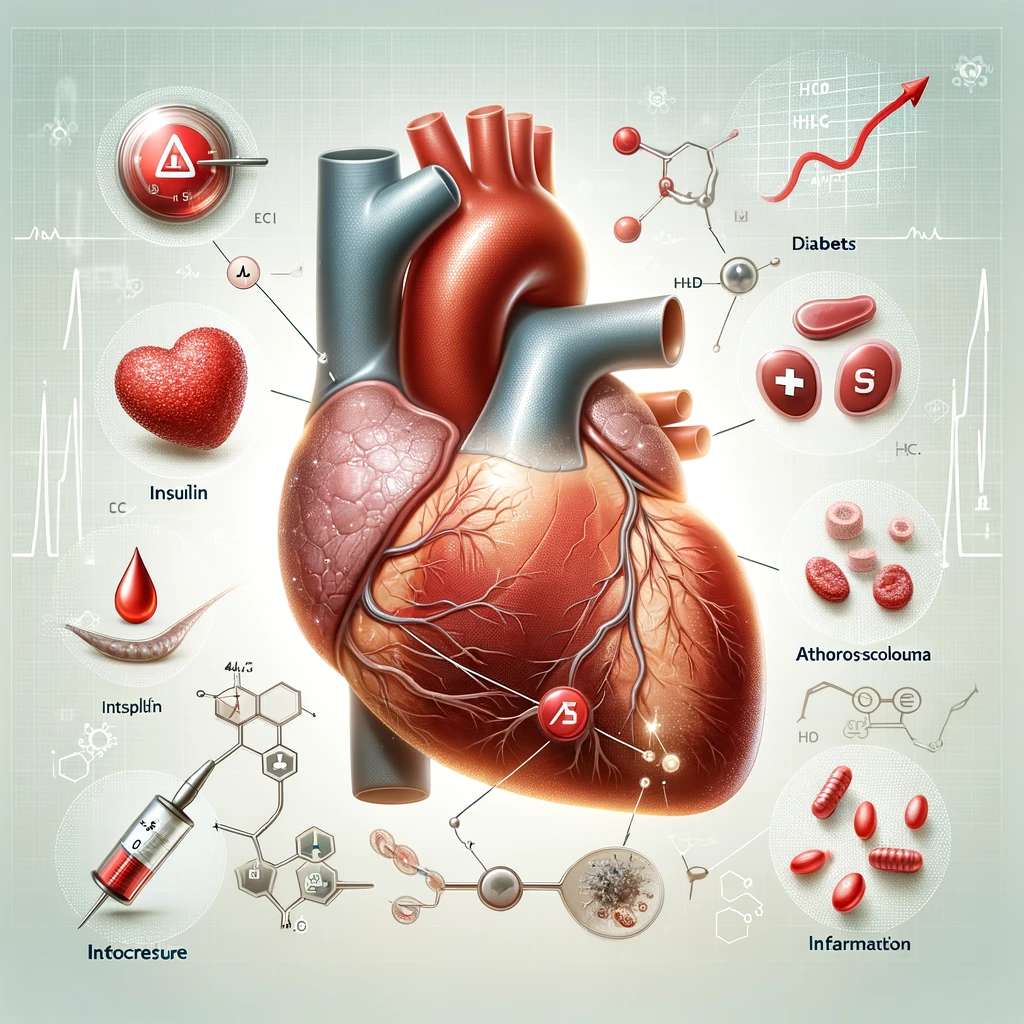
Beyond the well-known risks and symptoms, several lesser-known facts illuminate the profound connection between diabetes and heart disease.

When discussing chronic health conditions, diabetes and heart disease often surface as significant concerns. However, the intricate relationship between these two ailments is not as widely understood as it should be. Beyond the well-known risks and symptoms, several lesser-known facts illuminate the profound connection between diabetes and heart disease. Understanding these nuances is crucial for effective prevention and management.

1. The Silent Progression of Cardiovascular Risk

One of the most alarming aspects of diabetes is its ability to silently increase cardiovascular risk. People with diabetes are more likely to develop atherosclerosis, a condition where arteries harden and narrow due to the buildup of plaque. This process often begins long before diabetes is diagnosed. Research has shown that even pre-diabetes, where blood sugar levels are higher than normal but not yet high enough to be classified as diabetes, can accelerate the onset of cardiovascular issues.

2. The Role of Advanced Glycation End Products (AGEs)

Advanced Glycation End Products (AGEs) are harmful compounds formed when protein or fat combines with sugar in the bloodstream. High levels of AGEs are found in individuals with diabetes and are known to contribute to the development of heart disease. AGEs promote inflammation and oxidative stress, which damage blood vessels and increase the risk of heart attacks and strokes. Reducing the intake of AGE-rich foods, such as processed and grilled meats, can help mitigate this risk.

3. The Impact of Diabetic Cardiomyopathy

Diabetic cardiomyopathy is a little-known condition directly linked to diabetes, independent of other cardiovascular risk factors like hypertension or coronary artery disease. This disorder affects the heart muscle’s structure and function, leading to heart failure. The exact mechanisms are still under study, but it is believed that chronic high blood sugar levels cause direct damage to the heart’s cells, leading to fibrosis (thickening and stiffening of the heart tissue).

4. Gender Differences in Heart Disease Risk

Gender plays a significant role in the diabetes-heart disease link, with women facing unique challenges. Women with diabetes are more likely to develop heart disease at a younger age compared to men. Additionally, diabetic women have a higher mortality rate from heart disease than their male counterparts. Hormonal differences and a higher prevalence of risk factors like obesity and high blood pressure in diabetic women may contribute to this disparity.

5. The Influence of Insulin Resistance

Insulin resistance, a hallmark of type 2 diabetes, also significantly impacts heart health. It not only impairs the body’s ability to regulate blood sugar but also affects lipid metabolism, leading to dyslipidemia—a condition characterized by abnormal levels of cholesterol and triglycerides in the blood. This combination accelerates the development of atherosclerosis and increases the likelihood of heart disease.

6. Microvascular Complications and Heart Health

While much attention is given to macrovascular complications (large blood vessel issues) in diabetes, microvascular complications (small blood vessel issues) are equally important. Diabetic microvascular disease affects the tiny blood vessels in the heart, impairing its function and leading to conditions such as microvascular angina. This type of chest pain occurs without the typical blockages seen in larger arteries, making it harder to diagnose and treat.

7. The Protective Role of Lifestyle Interventions

Though the link between diabetes and heart disease is formidable, lifestyle interventions can provide significant protection. Studies have shown that a combination of a healthy diet, regular physical activity, and weight management can reduce the risk of cardiovascular complications by improving blood sugar control and reducing inflammation. Surprisingly, even modest lifestyle changes can have profound impacts on heart health, underscoring the importance of comprehensive diabetes management.

Conclusion

The connection between diabetes and heart disease is complex and multifaceted, involving various physiological processes and risk factors. By understanding these lesser-known facts, individuals with diabetes and healthcare providers can better anticipate and mitigate the risks of heart disease. Emphasizing early detection, personalized treatment plans, and proactive lifestyle changes are essential steps toward breaking the link between these two chronic conditions. As research continues to unravel the intricate web connecting diabetes and heart disease, one thing remains clear: comprehensive care and informed awareness are key to improving outcomes for those affected.

Part of the Heart Healthy Meal Plan →