Showing 5 Result(s)
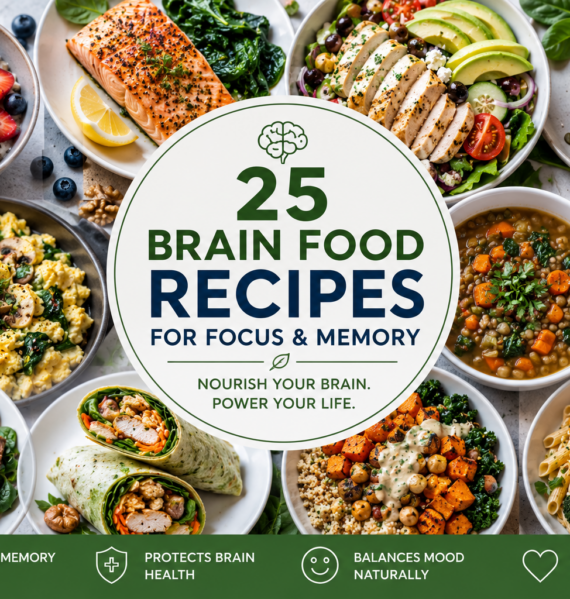
Collection of brain food recipes featuring salmon, berries, walnuts, leafy greens, lean proteins, and nutrient-rich meals that support focus, memory, mood, and healthy aging.

25 Brain Food Recipes for Focus and Memory

If you’ve ever walked into a room and forgotten why you were there, struggled to concentrate during the afternoon, or felt mentally drained despite getting enough sleep, you’re not alone.

The good news is that nutrition plays an important role in supporting brain health, memory, focus, mood, and healthy aging. While no single food is a magic solution, research consistently shows that certain eating patterns can help support cognitive function and long-term brain health.

The best brain food recipes combine protein, healthy fats, antioxidants, fiber, vitamins, minerals, and stable blood sugar support. Together, these nutrients help fuel the brain while supporting energy, concentration, and healthy aging.

What Makes a Recipe Brain Healthy?

Brain-supporting meals often include:

  • Omega-3 fatty acids
  • Antioxidant-rich fruits and vegetables
  • Healthy fats
  • Lean proteins
  • High-fiber carbohydrates
  • Low-sodium ingredients
  • Blood sugar-friendly nutrition

These nutrients help support memory, focus, mood, circulation, and overall cognitive wellness.


25 Brain Food Recipes for Focus and Memory

1. Lemon-Thyme Salmon with Roasted Potatoes & Kale

Rich in omega-3 fatty acids that support brain cell function and healthy cognitive aging.

2. Seared Sesame-Crusted Ahi Tuna with Ginger Veggie Stir Fry

Provides omega-3 fats, antioxidants, and protein to support mental clarity and sustained energy.

3. Greek Chicken Bowls with Tzatziki

A balanced combination of lean protein, healthy fats, and vegetables that help stabilize blood sugar.

4. Zucchini Noodle Alfredo with Roasted Chicken

A lower-carb comfort food option that helps support stable energy levels and focus.

5. Chicken Waldorf Salad

Walnuts provide brain-supporting fats while apples deliver antioxidants and fiber.

6. Turkey and Avocado Rice Cakes

A simple lunch packed with protein and healthy fats that help support concentration.

7. Cottage Cheese with Pineapple and Walnuts

Combines protein and healthy fats for sustained mental energy.

8. Blueberry Walnut Overnight Oats

Blueberries are among the most studied foods for supporting brain health.

9. Berry Greek Yogurt Parfait

Rich in protein and antioxidants that help protect brain cells.

10. Spinach and Mushroom Frittata

Eggs provide choline, an important nutrient involved in memory and learning.

11. Avocado Spinach Omelet

Healthy fats and nutrient-dense greens support cognitive wellness.

12. Shrimp Veggie Stir Fry

Lean protein and colorful vegetables provide nutrients that support brain health.

13. Mediterranean Tuna Salad

Combines omega-3 fats, olive oil, and vegetables in a brain-friendly meal.

14. Walnut Crusted Chicken

Walnuts add healthy fats that support memory and focus.

15. Lentil and Vegetable Soup

Fiber-rich lentils support blood sugar balance, which may help reduce brain fog.

16. Savory Lentil & Mushroom Shepherd’s Pie

Packed with plant-based nutrients and antioxidants.

17. Moroccan-Spiced Beef & Eggplant Stew

Contains iron, protein, and anti-inflammatory spices that support energy and brain function.

18. Balsamic Mushroom & Beef Skillet

A nutrient-rich combination of protein, iron, and vegetables.

19. Italian Chicken Meatballs with Garlic Tomato Sauce

Provides lean protein and antioxidant-rich tomatoes.

20. Grilled Chicken & Zucchini Pita

Balanced nutrition designed to support stable energy and focus.

21. Tex-Mex Stuffed Peppers with Turkey & Black Beans

High in protein, fiber, and nutrients that support healthy blood sugar levels.

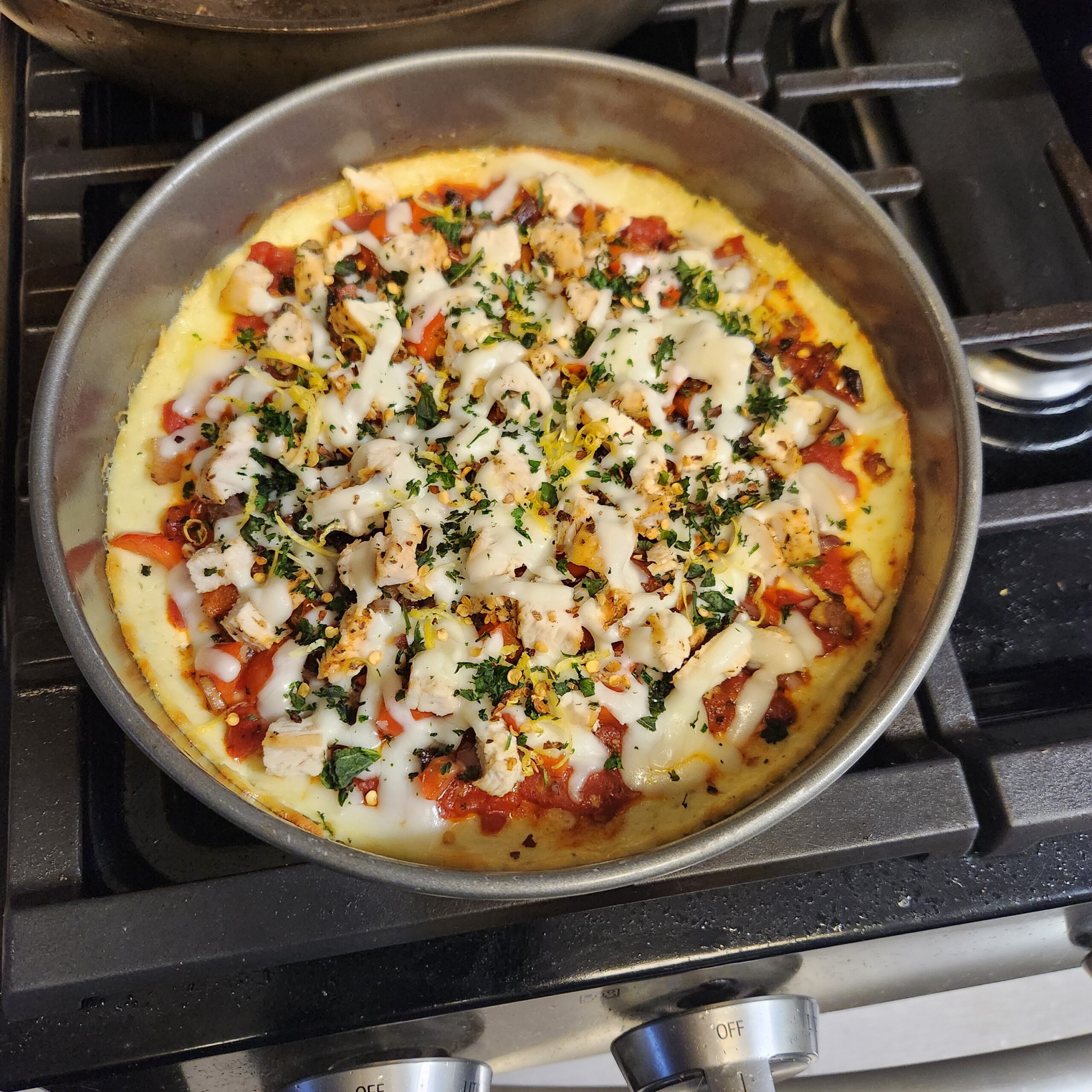
22. Roasted Garlic Cottage Cheese Pizza Bowl

High protein meals help support neurotransmitter production and sustained energy.

23. Creamy Soft-Scramble Eggs with Turkey Sausage

Protein-rich breakfast that supports mental performance throughout the day.

24. Balsamic Glazed Chicken with Herbed Polenta

Provides protein and complex carbohydrates for lasting energy.

25. Smashed Avocado Tostadas with Black Beans and Corn Slaw

Fiber, healthy fats, and plant nutrients help support overall cognitive health.

These brain food recipes are built around nutrient-rich foods that can help support focus, memory, steady energy, and healthy aging.


The Connection Between Blood Sugar and Brain Health

One of the most overlooked aspects of brain health is blood sugar balance.

Frequent spikes and crashes in blood sugar can contribute to:

  • Brain fog
  • Difficulty concentrating
  • Mood swings
  • Fatigue
  • Increased cravings
  • Energy crashes

That’s one reason many Recipe Shop meals are built around the 45/500 Framework™—approximately 45 grams of carbohydrates and 500 milligrams of sodium per meal. This balanced approach helps create meals that support steady energy, healthy aging, and long-term wellness.


Foods That Support Memory and Focus

When planning meals, prioritize ingredients such as:

  • Salmon
  • Tuna
  • Walnuts
  • Blueberries
  • Leafy greens
  • Eggs
  • Olive oil
  • Avocados
  • Lean proteins
  • Colorful vegetables
  • High-fiber foods

These foods appear consistently in eating patterns associated with healthy cognitive aging and brain health.


Support Your Brain One Meal at a Time

Brain health isn’t determined by a single meal.

It’s built through consistent daily choices over months and years.

By choosing nutrient-dense meals that provide protein, healthy fats, fiber, antioxidants, and stable energy, you can support memory, focus, mood, and healthy aging while enjoying delicious food.

Explore Recipe Shop’s Brain & Mood recipes and discover how practical nutrition can help support a healthier brain and a healthier future.

Related: Explore our Brain & Mood Meal Plan and Brain Boosting and Mood Supporting Recipes collection for even more brain-friendly meal ideas.


Collage of healthy low sodium lunch ideas including chicken wraps, salmon bowls, meal prep containers, salads, sandwiches, and heart-healthy lunch recipes.

25 Low Sodium Lunch Ideas That Actually Taste Good (Heart-Healthy & Easy)

If you’ve ever searched for low sodium lunch ideas, you’ve probably discovered the same frustrating problem: most recommendations are bland, boring, and leave you hungry an hour later.

The truth is that a low sodium lunch doesn’t have to mean dry chicken and lettuce.

At Recipe Shop, we focus on meals that support:

  • Heart health
  • Healthy blood pressure
  • Healthy aging
  • Blood sugar balance
  • Weight management

while still tasting like real food.

Here are 25 low sodium lunch ideas that actually taste good.

Why Most Lunches Are Loaded With Sodium

Most lunch foods—including deli meats, canned soups, frozen meals, restaurant sandwiches, and fast-food meals—contain far more sodium than most people realize. Many popular lunches can contain an entire day’s worth of sodium in a single meal. Choosing low sodium lunch ideas made with fresh ingredients, lean proteins, vegetables, and homemade sauces can help support healthy blood pressure, heart health, and healthy aging while still delivering great flavor.


Low Sodium Sandwiches & Wraps

1. Turkey Avocado Lettuce Wraps

Skip the deli turkey and use freshly cooked turkey breast.

Why it works:

  • High protein
  • Healthy fats
  • Low sodium
  • Easy meal prep

Recipe Shop Pairing:
Turkey Avocado Lettuce Wraps


2. Grilled Chicken & Zucchini Pita with Herbed Yogurt Sauce

A satisfying lunch with lean protein and fresh vegetables.

Recipe Shop Pairing:
Grilled Chicken & Zucchini Pita with Herbed Yogurt Sauce


3. Chicken Salad Lettuce Boats

Made with:

  • Chicken breast
  • Greek yogurt
  • Celery
  • Herbs

No salty bread required.


4. Low Sodium Tuna Wrap

Tuna mixed with:

  • Greek yogurt
  • Lemon juice
  • Celery

Wrapped in a low-sodium tortilla.


5. Avocado Egg Salad Wrap

Creamy, filling, and naturally low in sodium.


Low Sodium Bowls

6. Healthy Kale & Grain Chicken Bowl

One of the best meal-prep lunches because it delivers:

  • Protein
  • Fiber
  • Healthy fats
  • Slow carbohydrates

Recipe Shop Pairing:
Healthy Kale & Grain Chicken Bowl


7. Lemon Herb Chicken Bowl

Fresh herbs, roasted vegetables, and juicy chicken create flavor without relying on salt.


8. BBQ Spiced Salmon Bowl

A heart-healthy lunch packed with omega-3s.

Recipe Shop Pairing:
BBQ Spiced Salmon with Mashed Sweet Potatoes & Kale Slaw


9. Mediterranean Turkey Bowl

Featuring:

  • Ground turkey
  • Cucumbers
  • Tomatoes
  • Herbs
  • Yogurt sauce

10. Savory Peanut Noodle Bowl with Broccoli & Tofu

A satisfying meatless option.

Recipe Shop Pairing:
Savory Peanut Noodle Bowl with Broccoli & Tofu


Low Sodium Meal Prep Lunches

11. Beef & Barley Stuffed Peppers

Perfect for batch cooking.

Recipe Shop Pairing:
Beef & Barley Stuffed Peppers


12. Turkey Taco Bowls

Prep once and enjoy throughout the week.

Recipe Shop Pairing:
Loaded Turkey Tacos with Avocado Salsa & Cabbage Slaw


13. Lemon-Thyme Salmon Meal Prep

Rich in:

  • Protein
  • Omega-3s
  • Potassium

Recipe Shop Pairing:
Lemon-Thyme Salmon with Garlic Roasted Potatoes & Sautéed Kale


14. Balsamic Pork Tenderloin Meal Prep

Tender pork paired with vegetables and farro.

Recipe Shop Pairing:
Balsamic Glazed Pork Tenderloin with Roasted Carrots & Farro


15. Chicken & Roasted Vegetable Boxes

Simple, affordable, and easy to customize.


Low Sodium Salads

16. Grilled Chicken Garden Salad

Use fresh herbs and lemon instead of bottled dressing.


17. Salmon & Kale Power Salad

Loaded with nutrients that support healthy aging.


18. Chickpea & Vegetable Salad

A fiber-rich vegetarian lunch.


19. Turkey & Apple Crunch Salad

Sweet, crunchy, and satisfying.


20. Avocado Chicken Salad

Healthy fats help keep you full longer.


Comfort Food Lunches (Without the Sodium)

21. Coconut Chickpea Curry with Cauliflower Rice

Comfort food without the sodium overload.

Recipe Shop Pairing:
Coconut Chickpea Curry with Cauliflower Rice


22. Savory Lentil & Mushroom Shepherd’s Pie

A hearty plant-forward option.

Recipe Shop Pairing:
Savory Lentil & Mushroom Shepherd’s Pie


23. Cauliflower “Mac” & Cheese with Turkey Crumble

Comfort food that supports healthy blood sugar levels.

Recipe Shop Pairing:
Cauliflower “Mac” & Cheese with Ground Turkey Crumble


24. Zucchini Noodle Alfredo with Roasted Chicken

Creamy and satisfying without relying on processed ingredients.

Recipe Shop Pairing:
Zucchini Noodle Alfredo with Roasted Chicken


25. Flatbread Pizza with Roasted Vegetables & White Bean Spread

A fun lunch that feels indulgent but supports heart health.

Recipe Shop Pairing:
Flatbread Pizza with Roasted Veggies & White Bean Spread


Why Low Sodium Lunches Matter

The average American consumes more than 3,400 milligrams of sodium per day—far above the recommended limits for most adults.

According to the American Heart Association, reducing sodium intake can help support healthy blood pressure and heart health.

Reducing sodium may also help:

  • Reduce fluid retention
  • Improve vascular health
  • Promote healthy aging

The good news is that flavor doesn’t come from salt alone. Herbs, citrus, garlic, spices, roasting, and quality ingredients create meals that are every bit as satisfying.


Looking for Done-for-You Low Sodium Meal Plans?

Recipe Shop was built after our family discovered how difficult it was to find meals that were both low sodium and satisfying. Every Recipe Shop recipe follows the 45/500 Framework™—approximately 45 grams of carbohydrates and 500 milligrams of sodium per serving—making it easier to support heart health, blood sugar balance, and healthy aging without spending hours planning meals.

Explore our meal plans and discover recipes designed for real life.


Frequently Asked Questions

What is considered a low sodium lunch?
A low sodium lunch generally contains 500 mg of sodium or less per meal and emphasizes fresh ingredients over processed foods.

What can I eat for lunch on a low sodium diet?
Great options include grilled chicken wraps, salmon bowls, salads, homemade soups, stuffed peppers, and vegetable-based meal prep bowls.

Are sandwiches high in sodium?
Many deli sandwiches are high in sodium due to processed meats and bread, but homemade sandwiches using fresh ingredients can fit into a low sodium diet.


Related Low Sodium Meal Plans & Recipes

If you’re looking for more low sodium meal inspiration, explore our:


The Bottom Line

The best low sodium lunch is one you’ll actually enjoy eating.

Whether you prefer:

  • Sandwiches
  • Wraps
  • Bowls
  • Salads
  • Meal prep containers

there are plenty of delicious options that support your health goals without sacrificing flavor.

Explore the Recipe Shop collection of low sodium, low carb recipes designed to make healthy eating easier, more delicious, and easier to shop for.

The Hidden Epidemic

Hidden Epidemic

1 in 5 Americans Don’t Know They Have Diabetes

One of the most startling aspects of diabetes is how many people remain undiagnosed. Many individuals live with elevated blood sugar levels for years without symptoms. By the time they receive a diagnosis, complications such as nerve damage, kidney problems, or cardiovascular disease may have already begun. The Hidden Epidemic.

The Prevalence of Type 2 Diabetes

The fact that 90-95% of all diabetes cases are Type 2 underscores how lifestyle and environmental factors contribute to this epidemic. Type 2 diabetes often develops gradually, and risk factors include:

  • Being overweight or obese
  • Leading a sedentary lifestyle
  • A diet high in processed foods, sugar, and unhealthy fats
  • A family history of diabetes
  • Being over the age of 45
  • Having prediabetes or gestational diabetes

The Health Consequences of Undiagnosed Diabetes

When left unmanaged, diabetes can lead to severe and life-threatening complications, including:

  • Cardiovascular Disease: Diabetes doubles the risk of heart disease and stroke.
  • Nerve Damage: High blood sugar can cause neuropathy, leading to pain, numbness, or loss of feeling in extremities.
  • Kidney Disease: Diabetes is a leading cause of chronic kidney disease and kidney failure.
  • Vision Problems: Diabetes can lead to retinopathy, increasing the risk of blindness.
  • Amputations: Nerve and blood vessel damage can lead to severe infections, sometimes necessitating amputations.

Type 2 Diabetes: A Largely Preventable Disease

The good news is that Type 2 diabetes is largely preventable and, in some cases, reversible. Small, consistent lifestyle changes can make a significant impact on risk reduction.

1. Healthy Eating

  • Choose whole, unprocessed foods: Incorporate vegetables, lean proteins, whole grains, and healthy fats.
  • Limit sugar and refined carbohydrates: Reduce soda, pastries, and white bread in your diet.
  • Monitor portion sizes: Overeating can lead to weight gain and insulin resistance.

2. Regular Physical Activity

  • Exercise helps the body use insulin more effectively.
  • Aim for at least 150 minutes of moderate exercise per week (e.g., walking, swimming, cycling).
  • Strength training can improve muscle mass, which burns more glucose.

3. Weight Management

  • Losing even 5-10% of body weight can significantly reduce diabetes risk.
  • A balanced diet and regular exercise are key to achieving and maintaining a healthy weight.

4. Routine Screenings

  • Annual blood sugar tests can catch prediabetes or early diabetes.
  • Early intervention, such as the Diabetes Prevention Program (DPP), can delay or prevent the onset of Type 2 diabetes.

The Importance of Prediabetes Awareness

Prediabetes affects 96 million adults in the United States, yet over 80% of these individuals are unaware of their condition. Prediabetes means blood sugar levels are elevated but not yet high enough for a diabetes diagnosis.

Lifestyle changes can often reverse prediabetes, preventing it from progressing to full-blown Type 2 diabetes. Early detection through routine health checkups is critical.


How RecipeShop.net Can Help

For those looking to take control of their diet, RecipeShop.net offers an innovative solution with low-carb, low-sodium recipes that are not only heart-healthy but also diabetic-friendly. Recipes are conveniently shoppable—ingredients can be added directly to your online grocery cart with a single click.

This platform was created to eliminate the guesswork from meal planning, making it easier than ever to build a diet that supports diabetes prevention and heart health. Whether you’re managing diabetes, prediabetes, or simply want to make smarter choices, RecipeShop.net empowers you to take charge of your health.


Why Action Is Needed Now

With over 37 million Americans affected and millions more at risk, the time to act is now. Diabetes and its complications not only take a toll on individuals and families but also place a significant burden on the healthcare system. By focusing on prevention, early detection, and effective management, we can reduce the prevalence of diabetes and improve overall health outcomes.

Lifestyle changes may seem daunting, but even small steps—like walking more, eating more vegetables, or scheduling a routine blood sugar test—can add up to significant improvements. Let RecipeShop.net help you start your journey to a healthier, more empowered life.


Call to Action: Visit RecipeShop.net to explore free resources, meal plans, and a 14-day free trial to simplify your path to better health!

References:

  1. American Diabetes Association (ADA)
    • Website: www.diabetes.org
    • Key Data: Information on the prevalence of diabetes in the U.S. and its complications.
  2. Centers for Disease Control and Prevention (CDC)
    • Diabetes Statistics and Heart Disease Risk Factors:
      Diabetes and Heart Disease
    • Key Data: Connection between diabetes and heart disease, including the 37 million Americans living with diabetes.
  3. World Health Organization (WHO)
    • Report on global diabetes prevalence:
      WHO Diabetes Overview
    • Key Data: Lifestyle changes as preventative measures for Type 2 diabetes.
  4. National Heart, Lung, and Blood Institute (NHLBI)
  5. Journal of the American Medical Association (JAMA)
    • Article: “Prevalence of Diabetes and Cardiovascular Risk in the U.S.”
  6. Harvard Medical School

The Shocking Connection Between Diabetes and Heart Disease

When people think of diabetes, they often focus on blood sugar management as the primary health concern. However, there’s a much larger and more alarming issue at play: the strong connection between diabetes and heart disease. For individuals managing diabetes, the risk of developing cardiovascular complications is not just a possibility—it’s a statistical reality.

The Alarming Diabetes-Heart Disease Link

According to the American Heart Association, adults with diabetes are twice as likely to die from heart disease or stroke compared to those without diabetes. In fact, heart disease is the leading cause of death for people with type 2 diabetes. The high blood sugar levels associated with diabetes can damage blood vessels and nerves over time, which contributes to cardiovascular complications. Additionally, many people with diabetes also experience conditions like high blood pressure and high cholesterol, compounding the risk.

But the most preventable—and often overlooked—factor? Sodium intake.

Excess sodium consumption increases blood pressure, which is a primary risk factor for both heart disease and stroke. Alarmingly, the average American consumes over 3,400 milligrams of sodium per day, far exceeding the recommended daily limit of 2,300 milligrams—and for those with heart or kidney concerns, the ideal limit is 1,500 milligrams. For individuals with diabetes, who are already at a heightened risk for heart disease, sodium reduction isn’t optional—it’s essential.


Why the Traditional Meal Planning System Fails

Managing diabetes and heart health often feels like a full-time job. Patients are told to monitor carbs, sodium, and fat while increasing fiber and staying hydrated. Unfortunately, the resources many people rely on—generic meal plans, overly complex diet advice, or pre-packaged meals—can fall short of addressing their specific needs. Processed foods labeled as “healthy” are often hidden sources of excess sodium, and navigating food labels at the grocery store can be overwhelming.

This is where RecipeShop.net steps in to simplify the process, bridging the gap between complex dietary advice and real-world, actionable solutions.


How RecipeShop.net Makes Healthy Eating Simple

RecipeShop.net was born from a family’s personal journey to manage diabetes and heart health. Its mission is simple: to provide delicious, shoppable recipes that meet the specific needs of those managing diabetes and heart health. Here’s how Recipe Shop transforms the way people eat:

1. Low-Sodium, Low-Carb Recipes

RecipeShop.net’s recipes are tailored to help users stay within the daily sodium and carbohydrate limits recommended for diabetes and heart health. By focusing on fresh, whole ingredients and reducing reliance on processed foods, the recipes are designed to provide maximum flavor without compromising on health.

2. Shoppable Convenience

One of the most unique features of Recipe Shop is its shoppable recipes. Users can browse recipes, select meals that fit their needs, and instantly add all the required ingredients to their grocery cart for delivery or pickup. This removes the guesswork from grocery shopping and helps users avoid impulse purchases of high-sodium processed foods.

3. Practical Nutritional Support

Each recipe on RecipeShop.net includes detailed nutritional information, so users can confidently track their sodium, carb, and calorie intake. This transparency empowers individuals to make informed decisions about what they eat.

4. Time-Saving Meal Planning

With shoppable recipes, meal planning becomes quick and stress-free. Users no longer need to spend hours researching recipes, checking labels, and creating grocery lists. Recipe Shop does the heavy lifting, leaving more time for what matters most.


The Impact of Dietary Changes

Studies show that reducing daily sodium intake by just 1,000 milligrams can significantly lower blood pressure, reducing the risk of heart disease and stroke. Combined with a diet that controls carbohydrates and prioritizes nutrient-rich ingredients, these changes can greatly improve the quality of life for individuals managing diabetes.

By making it easy to incorporate these changes into daily life, RecipeShop.net empowers users to take control of their health. It’s not just about providing recipes—it’s about providing a path forward for long-term wellness.


Real-Life Example: How Recipe Shop Changes Lives

Take Mary, for example. Diagnosed with type 2 diabetes and struggling to control her blood sugar levels, she also received a concerning diagnosis of early-stage heart disease. Meal planning felt overwhelming—until she discovered RecipeShop.net. By following the platform’s low-sodium, low-carb recipes, Mary not only managed to stabilize her blood sugar but also saw improvements in her blood pressure. The shoppable recipes saved her time and helped her stick to a healthier diet, giving her more energy to enjoy life.


A Call to Action

The connection between diabetes and heart disease is clear, but the solution doesn’t have to be complicated. RecipeShop.net is here to make healthy eating simple, accessible, and delicious. Whether you’re managing diabetes, preventing heart disease, or simply striving for a healthier lifestyle, Recipe Shop offers tools and resources to transform your diet and your health.

Visit www.RecipeShop.net today to explore how easy meal planning can be. It’s time to take control of your health—one meal at a time.

Part of the Heart Healthy Meal Plan →

Managing Diabetes with Diet: Tips and tricks

Managing Diabetes with Diet: Tips and tricks

Managing Diabetes with Diet: Tips and Tricks

Managing diabetes effectively often hinges on making the right dietary choices. By focusing on a balanced diet tailored to your needs, you can better control your blood sugar levels, maintain a healthy weight, and reduce the risk of diabetes-related complications. Here are some tips and tricks to help you manage diabetes through your diet.

Understanding the Basics

Carbohydrate Management

Carbohydrates have the most significant impact on your blood sugar levels. By choosing the right type and amount of carbs, you can help maintain steady blood sugar levels.

  • Choose Complex Carbs: Opt for whole grains, legumes, and vegetables. These foods are high in fiber, which slows down the absorption of sugar into your bloodstream.
  • Monitor Carb Intake: Keep track of the carbs you consume at each meal. Tools like carbohydrate counting can be helpful.

Balanced Meals

Ensuring your meals are balanced with a variety of nutrients is essential.

  • Incorporate Protein: Lean proteins such as chicken, fish, tofu, and legumes can help stabilize blood sugar levels.
  • Healthy Fats: Include sources of healthy fats like avocados, nuts, seeds, and olive oil to keep you full and support heart health.
  • Fiber-Rich Foods: Aim for a diet high in fiber, including plenty of fruits, vegetables, whole grains, and legumes.

Tips and Tricks

1. Plan Your Meals

Planning your meals ahead of time can help you make better food choices and avoid unhealthy snacks.

  • Meal Prep: Prepare meals and snacks for the week to ensure you have healthy options readily available.
  • Portion Control: Use measuring cups or a food scale to control portion sizes and avoid overeating.

2. Eat Regularly

Eating at regular intervals helps maintain stable blood sugar levels.

  • Don’t Skip Meals: Skipping meals can lead to blood sugar spikes and crashes.
  • Healthy Snacks: Keep healthy snacks on hand to prevent hunger and maintain energy levels between meals.

3. Stay Hydrated

Proper hydration is crucial for overall health and can aid in managing blood sugar levels.

  • Drink Water: Aim to drink at least 8 cups of water a day. Avoid sugary drinks and limit caffeine intake.
  • Hydrate with Herbal Teas: Herbal teas can be a flavorful way to stay hydrated without adding sugar.

4. Monitor Blood Sugar Levels

Regular monitoring helps you understand how different foods affect your blood sugar levels.

  • Keep a Log: Record your blood sugar levels and what you eat to identify patterns and make adjustments as needed.
  • Adjust Accordingly: Use your blood sugar readings to guide your dietary choices and portion sizes.

5. Mind Your Sugar Intake

Reducing added sugars can help manage blood sugar levels more effectively.

  • Read Labels: Look for hidden sugars in processed foods and choose products with no added sugar.
  • Natural Sweeteners: Use natural sweeteners like stevia or monk fruit as alternatives to sugar.

6. Incorporate Exercise

Physical activity can help lower blood sugar levels and improve insulin sensitivity.

  • Routine Exercise: Aim for at least 30 minutes of moderate exercise most days of the week.
  • Stay Active: Incorporate physical activity into your daily routine, such as walking, cycling, or even gardening.

Conclusion

Managing diabetes with diet involves making mindful choices and maintaining a balanced lifestyle. By focusing on whole foods, staying hydrated, and monitoring your blood sugar levels, you can effectively manage your condition and enjoy a healthy, fulfilling life. Remember to consult with your healthcare provider or a dietitian to create a personalized plan that works best for you.

Stay committed to your health journey and make small, sustainable changes for long-term success.

#DiabetesManagement #HealthyEating #LowCarb #BalancedDiet #DiabetesTips #HealthyLifestyle #BloodSugarControl #FiberRichFoods #MealPlanning #StayHydrated


By incorporating these tips and tricks into your daily routine, you can manage your diabetes more effectively and improve your overall well-being.